Dark Mode
Illusory Latency: When It’s Not the System That Lags, but the User

Illusory Latency: When It’s Not the System That Lags, but the User

The scenario is familiar to almost everyone. Evening has arrived, the chaos of the day is over, and you settle onto the couch or into bed with your smartphone in hand. You just want to scroll—glance through updates, watch a video the algorithm has conveniently queued up for you. And then something feels off. The app seems to open a fraction of a second too late. Swiping no longer feels as smooth as it did in the morning. The internet appears to be “lagging,” or the phone’s processor suddenly seems unable to keep up.… Read Full Article
See More
Dark Mode: Visual Comfort or Optical Illusion?

Dark Mode: Visual Comfort or Optical Illusion?

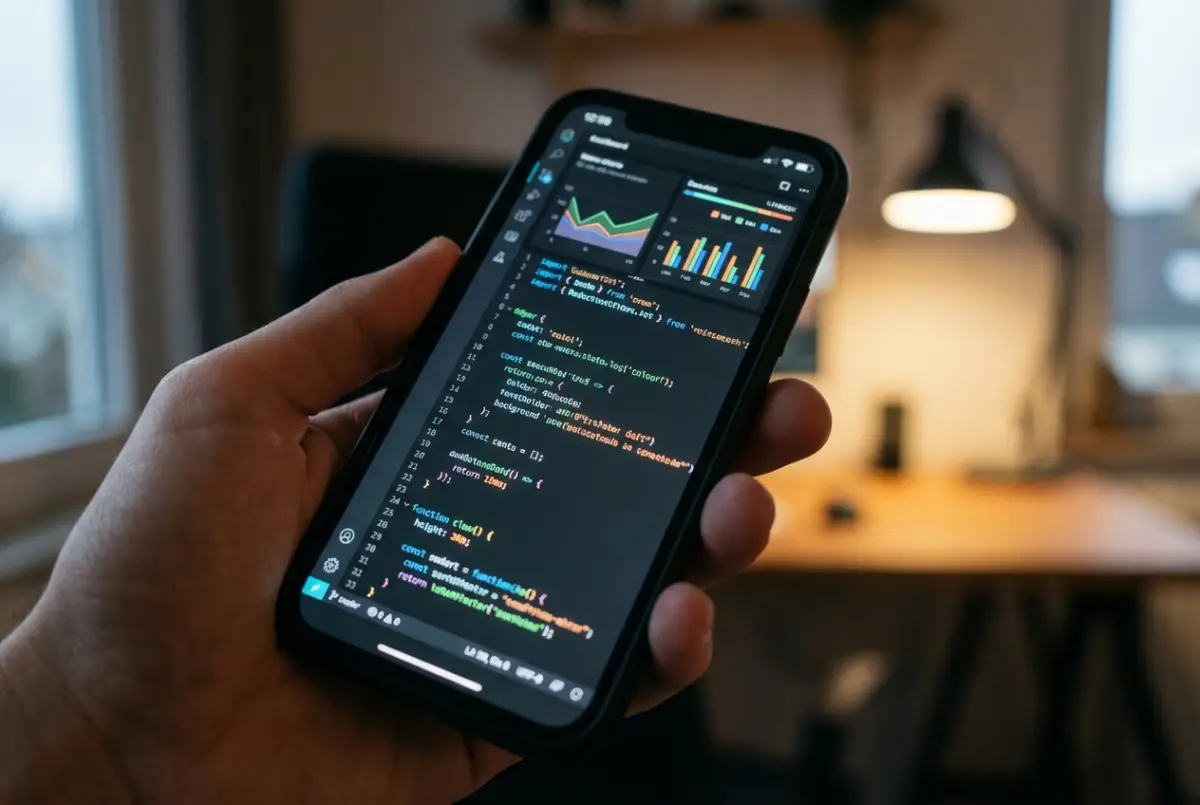
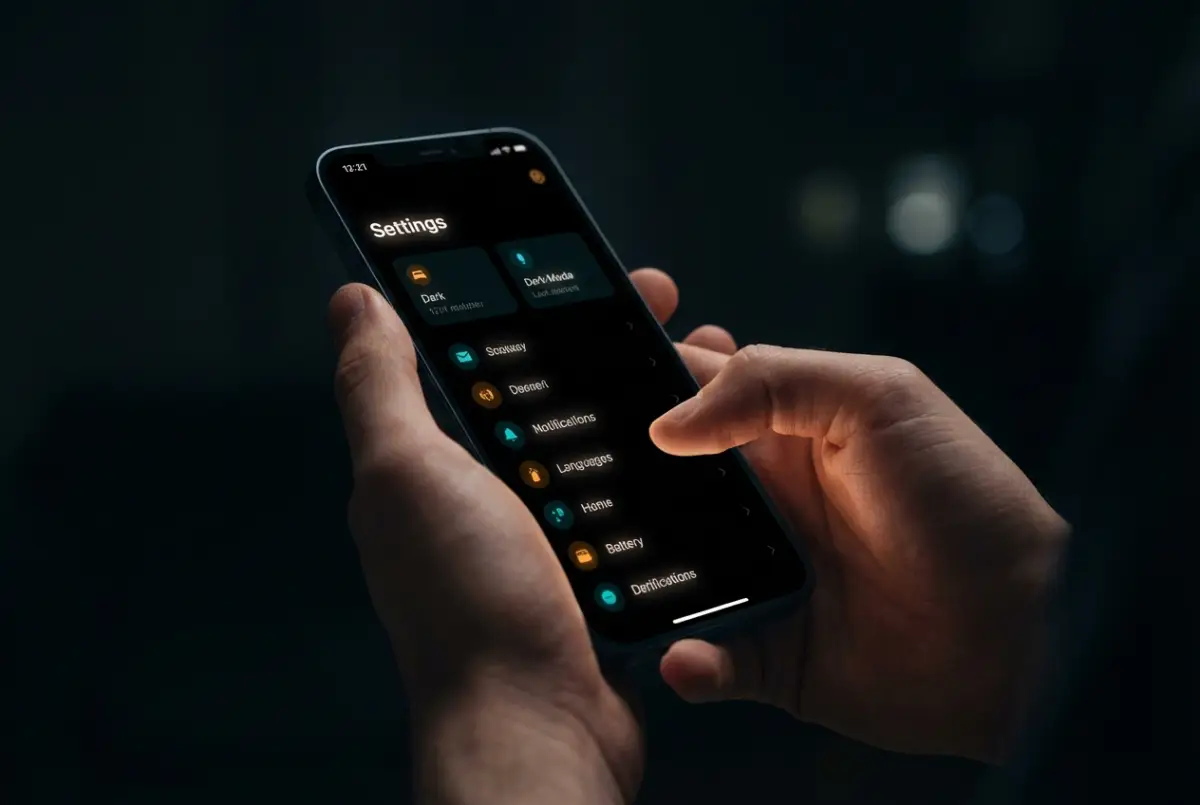
For many people, the first thing they look for in the settings of a new app or operating system is not security options or notification controls, but a simple toggle: Dark Mode. The moment a bright white background turns black or dark gray, a sense of relief seems to follow. The interface suddenly feels more refined, more “premium,” even more professional. In our perception, this visual shift instantly signals modernity—as if we have stepped into a cyberpunk film or taken a seat in front of a hacker’s terminal.… Read Full Article
See More
Why Screens Pull Us in More Strongly at Night

Why Screens Pull Us in More Strongly at Night

You have probably noticed a strange transformation that happens to your smartphone or laptop the moment the last trace of daylight disappears and artificial light—or complete darkness—takes over the room. The same app that felt like a simple information source or work tool alongside your morning coffee suddenly takes on a different emotional weight at night. Buttons seem softer, colors deeper and more saturated, and the text on the screen feels as if it is speaking directly to you, not to thousands of other users. In reality, nothing has changed at the software level. The code is identical, the pixels are arranged the same way, and no designer has embedded a hidden “night magic” algorithm. The change does not happen inside the screen, but in front of it—in you and in your environment. What you are experiencing is a complex interaction between light, biology, and psychology that makes the digital world feel more “real” after dark.… Read Full Article

See More
Edge Computing and Latency: Enhancing Digital Experiences

Edge Computing and Latency: Enhancing Digital Experiences

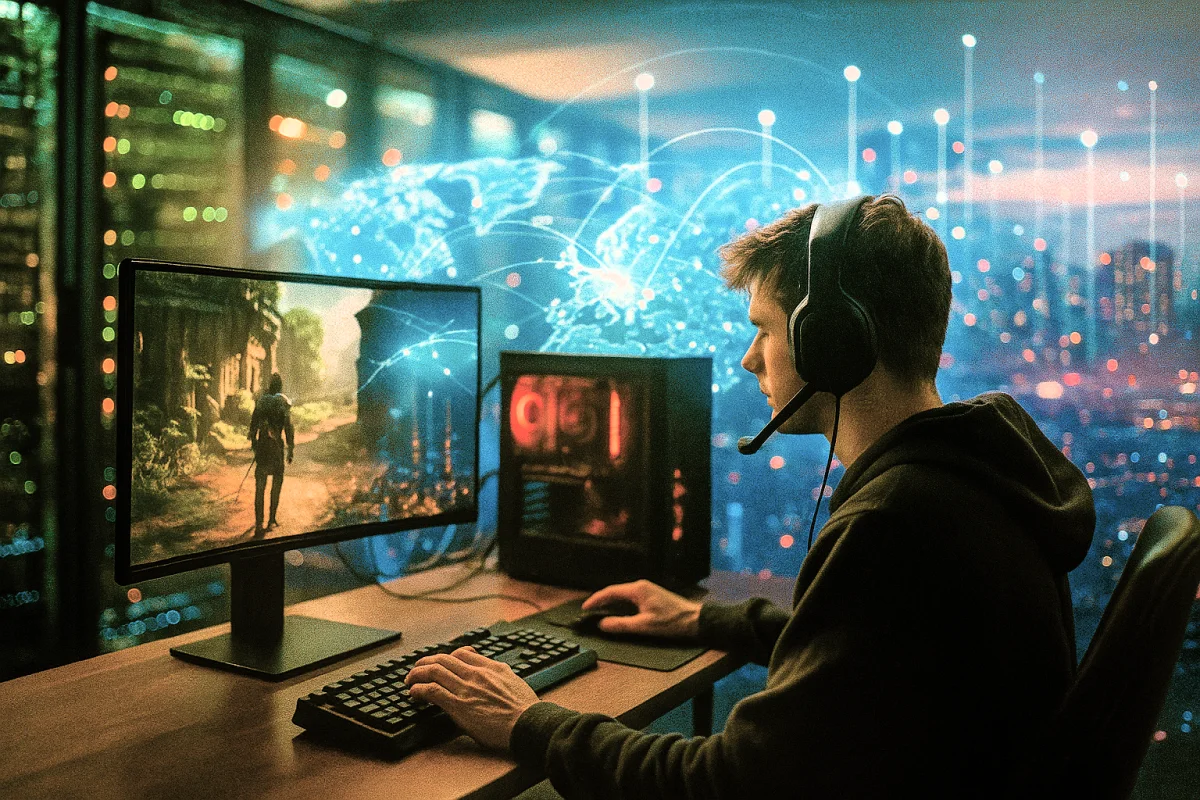
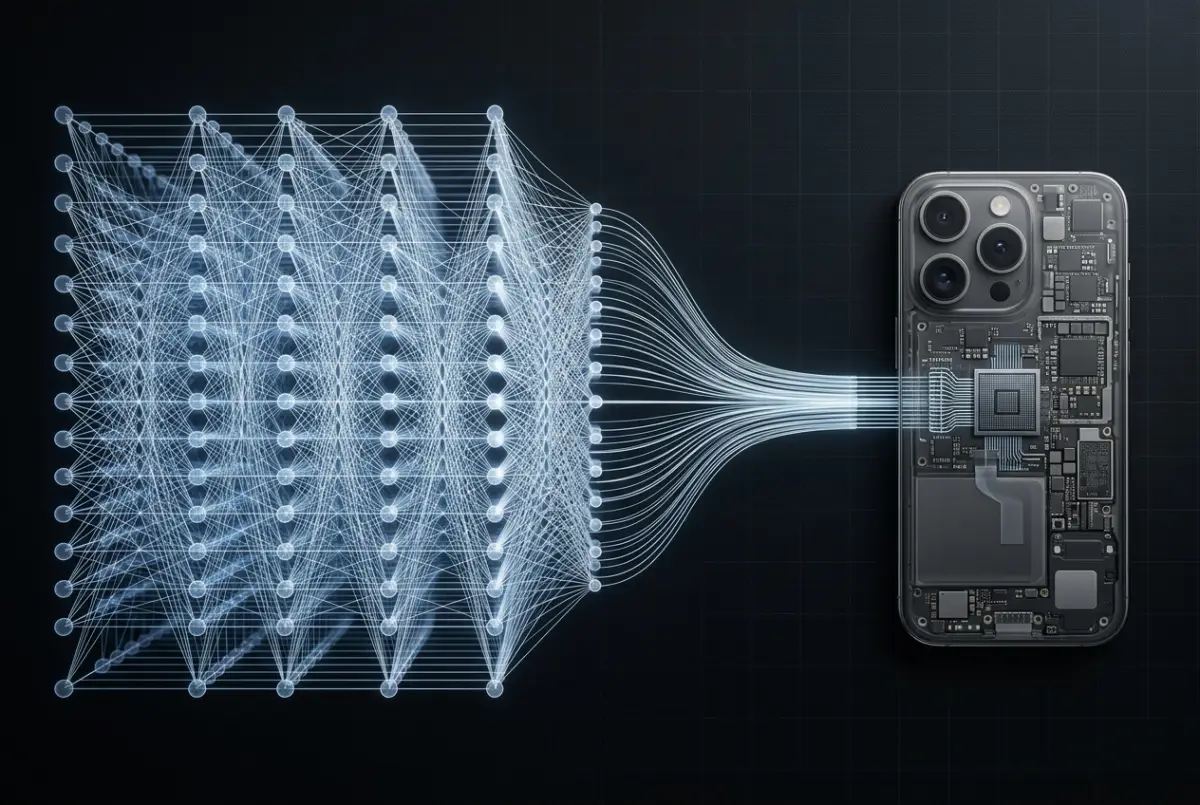
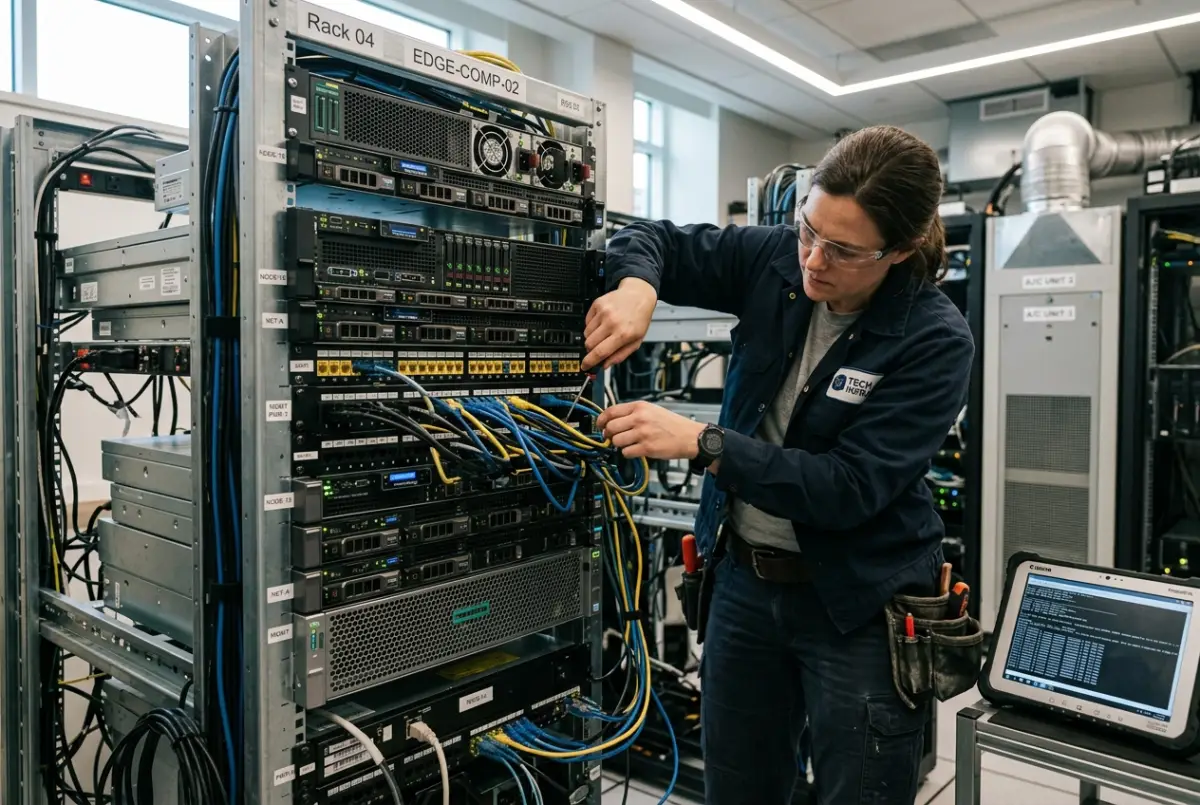
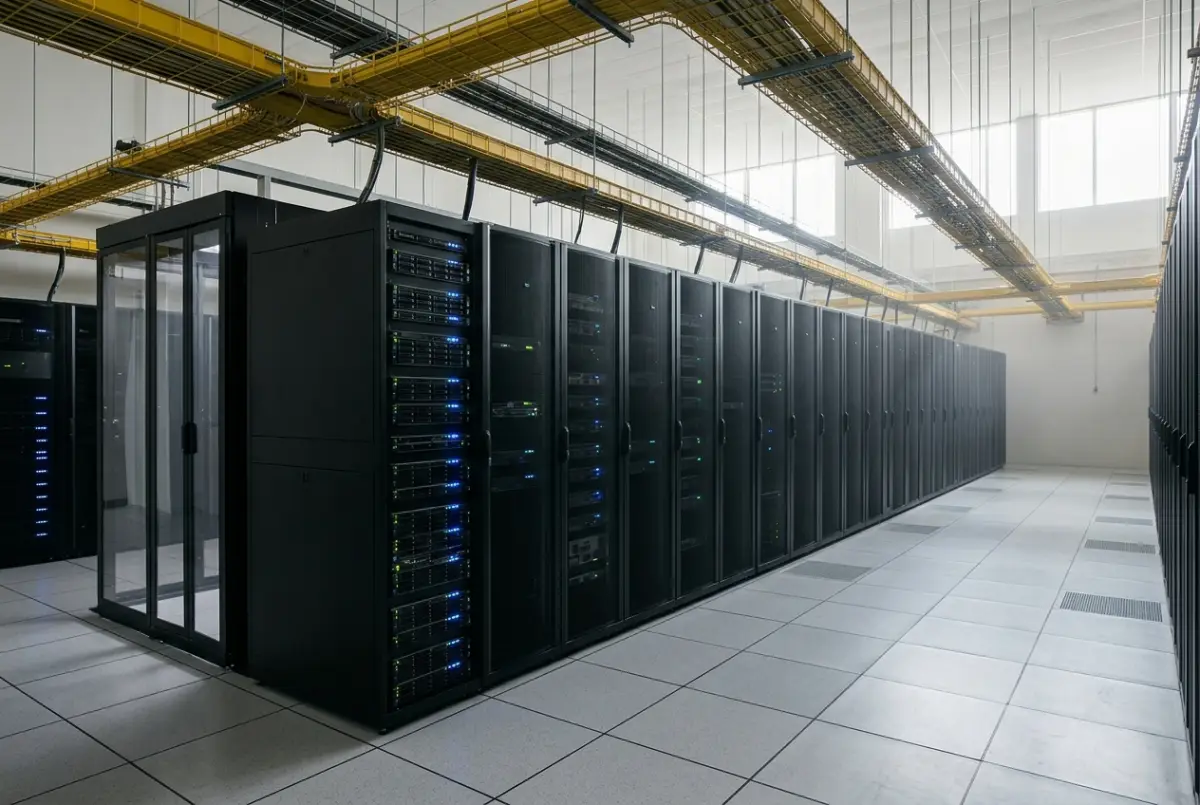
Edge Computing is rapidly emerging as one of the most transformative concepts in the digital era. Its central idea is to process data as close as possible to the end user, rather than in distant centralized data centers. This approach is especially critical in reducing latency — the delay in data transmission — which directly impacts gaming, real-time applications, and everyday digital services.… Read Full Article
See More