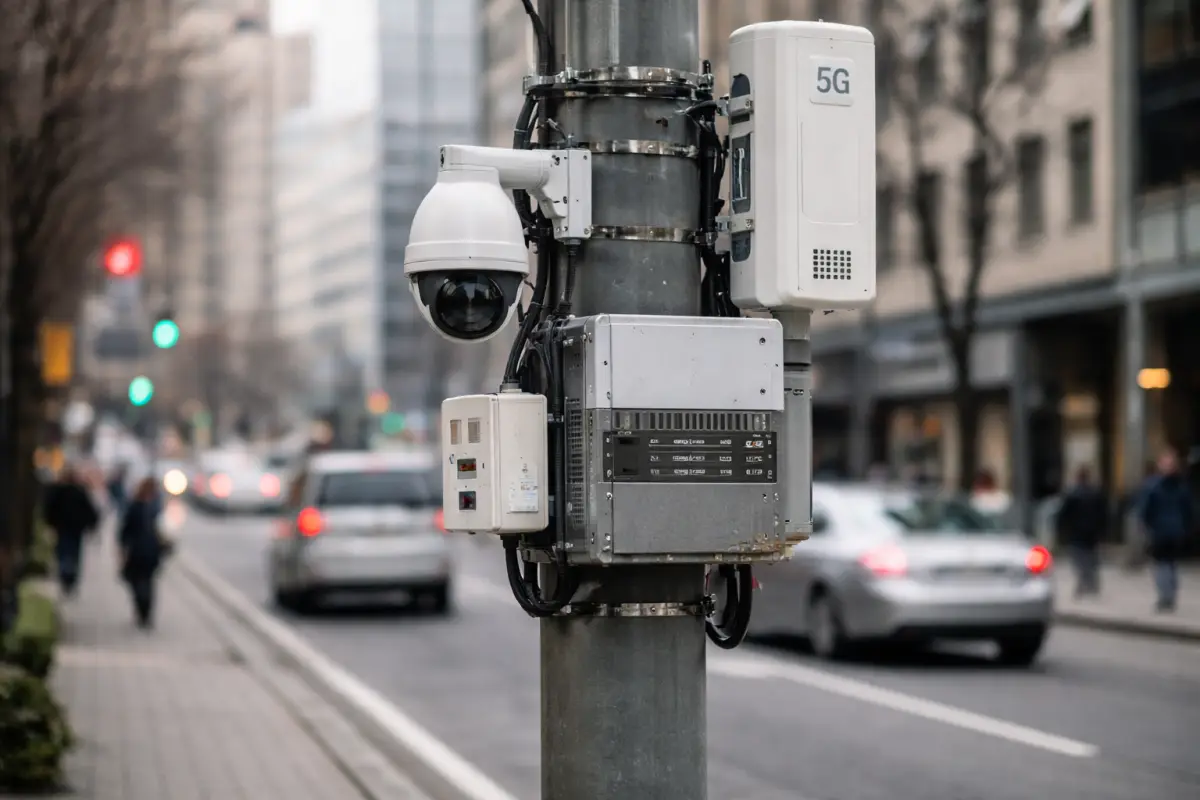
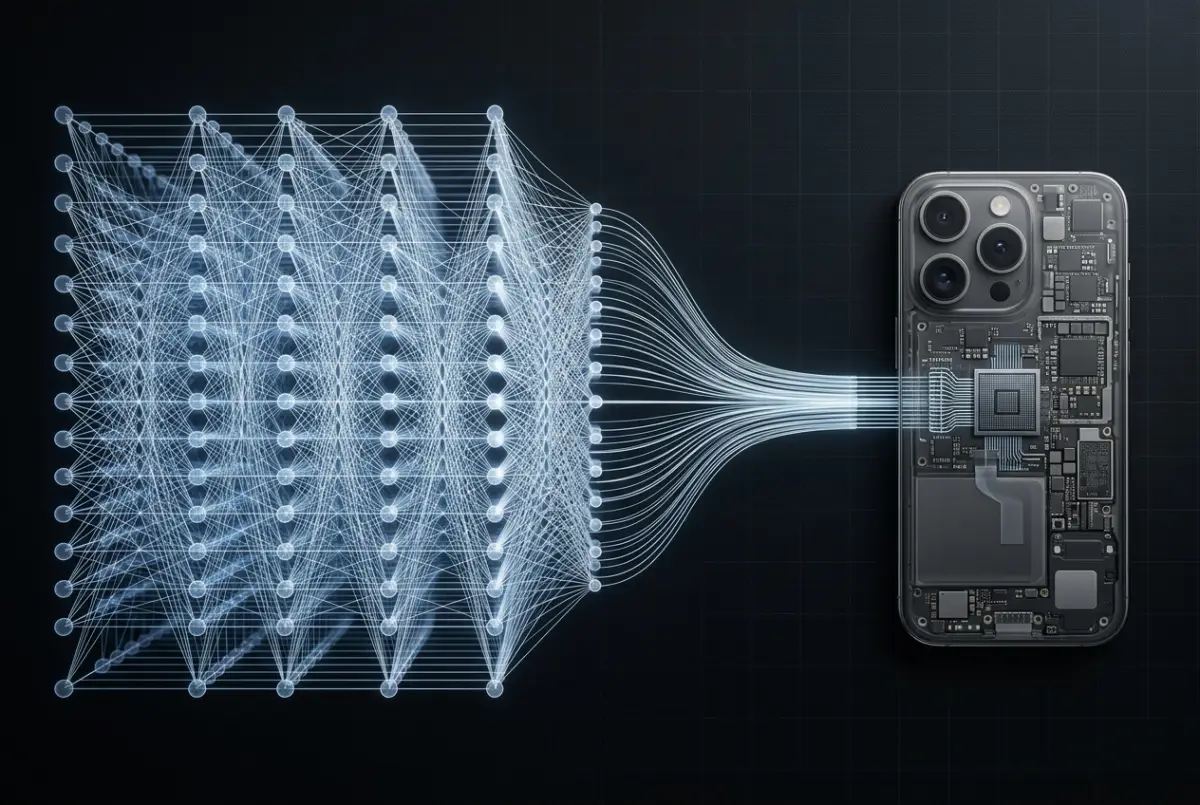
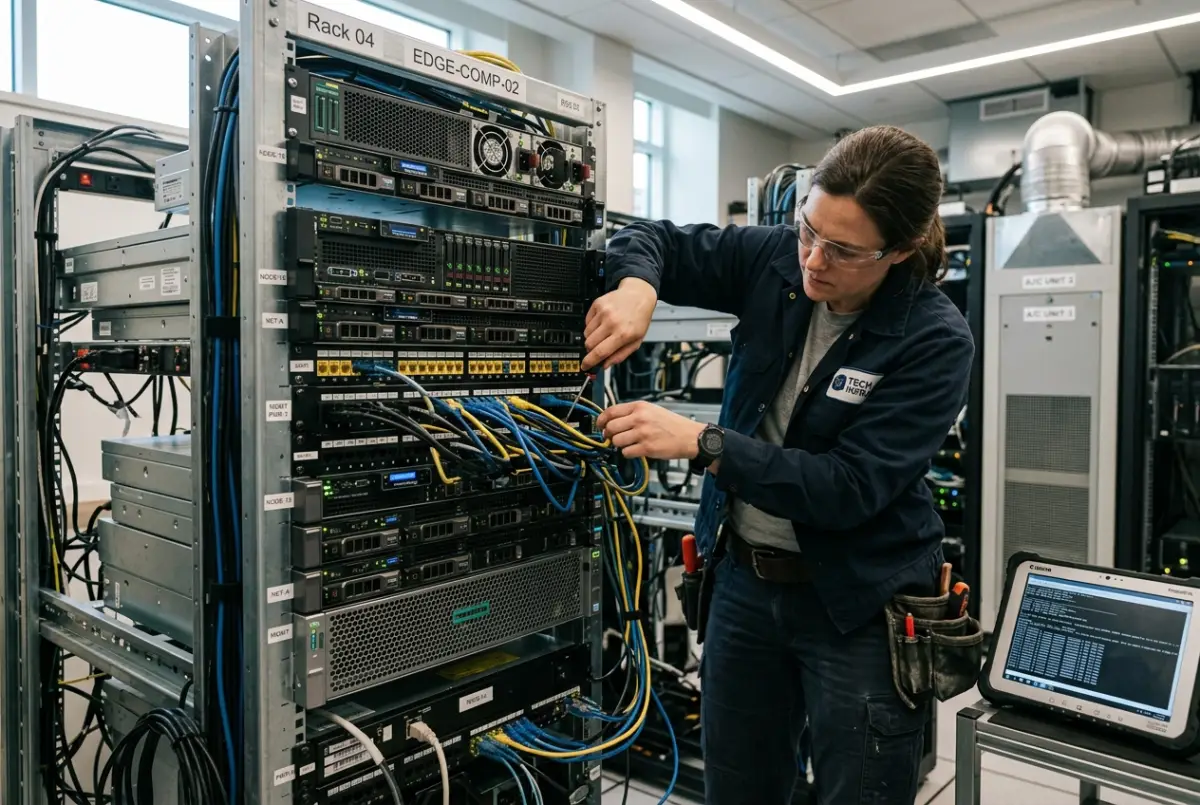
Imagine the city as a fully-fledged, living organism. For decades, urban infrastructure was strictly passive — a lifeless labyrinth built of concrete, steel, and asphalt. The first wave of Smart Cities partially changed this paradigm, equipping cities with digital perception through sensor networks. However, the architecture of this model relied on sending massive volumes of data to distant, centralized cloud servers, where it was processed and then returned to the city's infrastructure. Today, at a new stage of technological maturity, it is becoming clear: true urban evolution requires not only the perception of the environment but also instant, flawless reflexes. This is exactly where the paradigm shift from the cloud to the "edge" begins.…
Read Full Article