


Cloud–Edge Continuum: The Future of Distributed Internet Architecture
 Tornike Moss
Updated • 14-03-2026, 22:03
The modern internet is undergoing a fundamental transformation. Traditional centralized cloud infrastructure can no longer meet the requirements of next-generation real-time systems. High latency and limited bandwidth for data transmission have become critical barriers. In response to these challenges, the technology landscape is moving toward a new architecture known as the cloud-edge continuum. This model creates a seamless, integrated network where computing resources are dynamically distributed across cloud data centers, edge infrastructure, and end-user devices. The cloud-edge continuum is not simply a combination of two technologies; it marks a new stage in the evolution of the internet that merges the scalability of cloud computing with the speed of edge processing. This architecture creates a unified ecosystem essential for the stable operation of AI inference, autonomous systems, and intelligent infrastructure.
Quick Summary
Key takeaways: The main ideas and conclusions of the article are summarized below.
- The cloud–edge continuum is a distributed computing architecture in which workloads are dynamically executed across cloud data centers, edge infrastructure, and end-user devices.
- Traditional centralized cloud systems introduce latency because data must travel long distances between devices and remote data centers.
- Edge computing reduces this delay by processing data closer to where it is generated, improving response times and reducing network congestion.
- The continuum operates through three interconnected infrastructure layers: hyperscale cloud platforms, geographically distributed edge nodes, and endpoint devices such as sensors and mobile systems.
- Automated orchestration systems continuously decide where computations should occur based on network conditions, workload complexity, and latency requirements.
Table of Contents
From Centralized Cloud to Distributed Networks
Over the past decade, the centralized cloud model has become the dominant architecture for internet infrastructure. Large-scale global data centers handled most computational workloads, enabling digital services to scale efficiently while maintaining relatively low operating costs. However, the exponential growth of connected devices and the increasing volume of generated data have exposed structural limitations in this strictly centralized paradigm. Transitioning to a distributed network does not imply abandoning traditional cloud technologies; rather, it represents their logical and technologically necessary evolution. Modern computing architecture is gradually shifting away from a monolithic core toward a dynamic, decentralized topology where different nodes within the network are integrated into a unified system. In this model, resources are allocated according to the specific requirements of each technical task.
The Latency Problem and the Limits of Traditional Architecture
Physical distance remains one of the primary factors that limits the speed of data transmission. In a traditional cloud architecture, information must travel from a user device to a data center located hundreds or even thousands of kilometers away, be processed there, and then return to the original device.
This round-trip communication time, combined with periodic network congestion and multiple routing nodes, inevitably introduces latency. Although modern fiber-optic networks transmit data at extremely high speeds, signals still travel significantly slower than the speed of light in a vacuum. As a result, physical distance remains a fundamental constraint in system design. Ultimately, distance defines the physical limits of data transmission and processing. For standard web applications, a delay of 100 milliseconds may be barely noticeable, but such latency becomes a critical barrier for infrastructure that requires precise real-time responses. Continuously redirecting massive traffic volumes to centralized servers places heavy pressure on overall network bandwidth and introduces unpredictable delays. This clearly demonstrates that strictly centralized processing is no longer suitable for systems that demand ultra-low latency.
Why Decentralizing Computing Resources Became Necessary
The need to decentralize computing resources is directly connected to the emergence of a new generation of systems built around locally generated data. Technologies such as AI inference, industrial IoT networks, autonomous transport, and real-time analytics produce enormous volumes of data at the edge of the network. Sending all of this raw data to centralized cloud infrastructure is not only inefficient but often impractical. In the case of an autonomous vehicle or a robotic production line, even millisecond-level delays in decision-making can lead to serious consequences. For this reason, computing power must be placed closer to the source of data generation. Decentralization reduces network congestion because initial data processing occurs locally, while only essential results are transmitted to central servers. This architectural approach enables true real-time operation and allows complex algorithms to function autonomously without constant dependence on distant data centers.
What Is the Cloud-Edge Continuum
The cloud-edge continuum represents a modern computing architecture that fundamentally changes how digital infrastructure is organized. It is often misunderstood as a simple combination of cloud and edge technologies. In reality, it is a unified and continuous computing model. Within this paradigm, resources and services are not tied to a specific physical location. Instead, the continuum creates a dynamic environment in which workloads can move freely across different layers of the network depending on current technical requirements. This means the system determines where it is most efficient to execute a specific task—whether in a centralized data center or near the end user. The result is a flexible architecture that continuously adapts to network conditions and application requirements.
Three Core Infrastructure Layers: Cloud, Edge, and Endpoint Devices
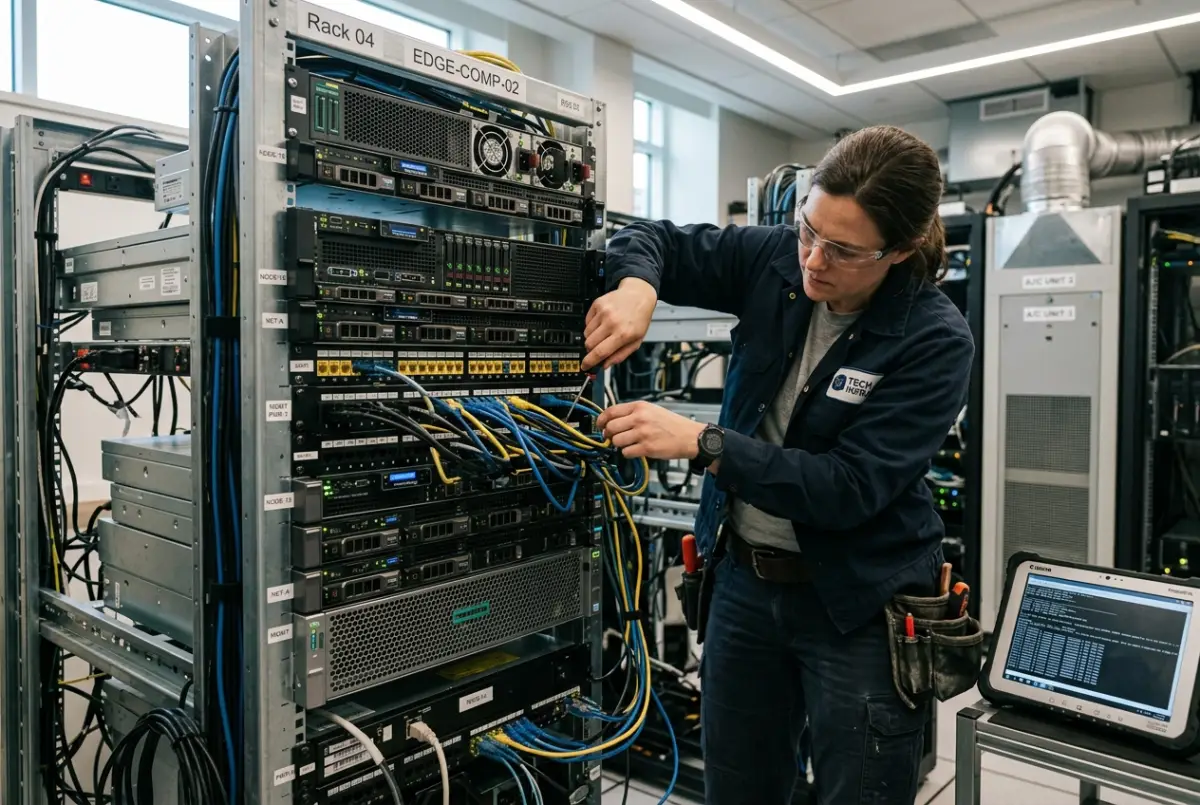
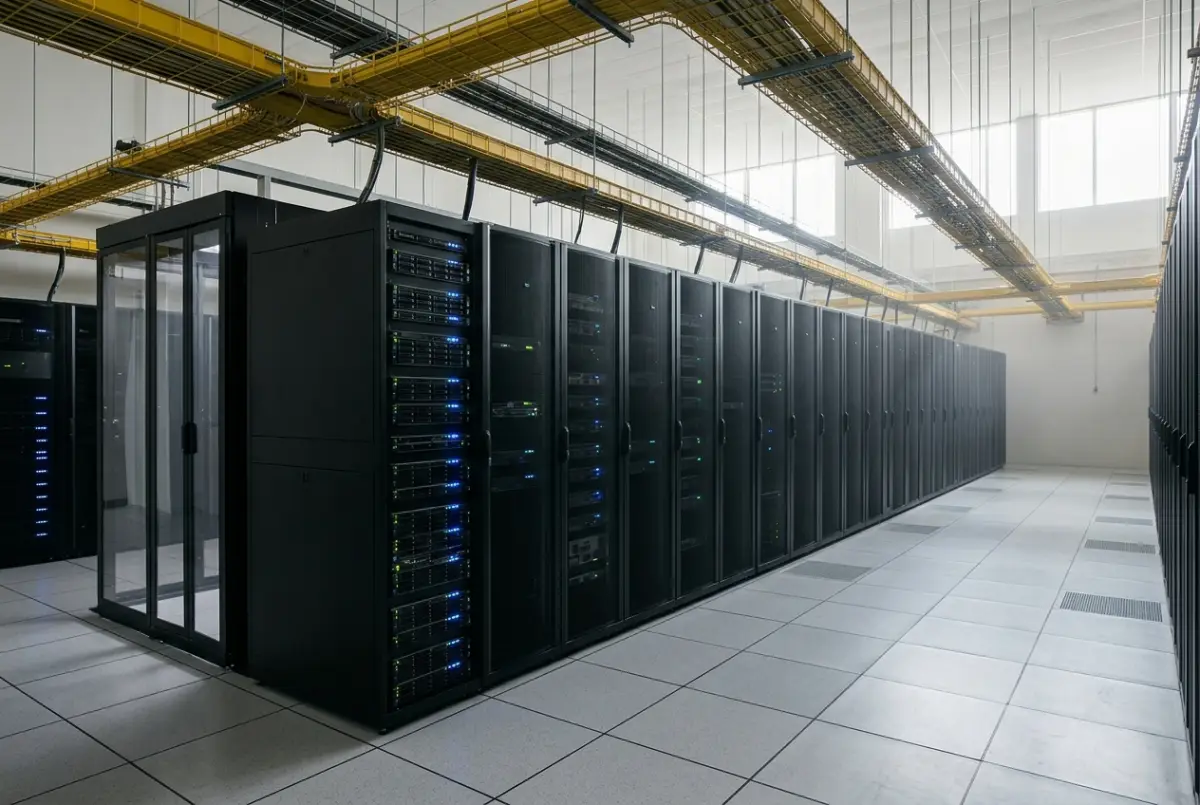
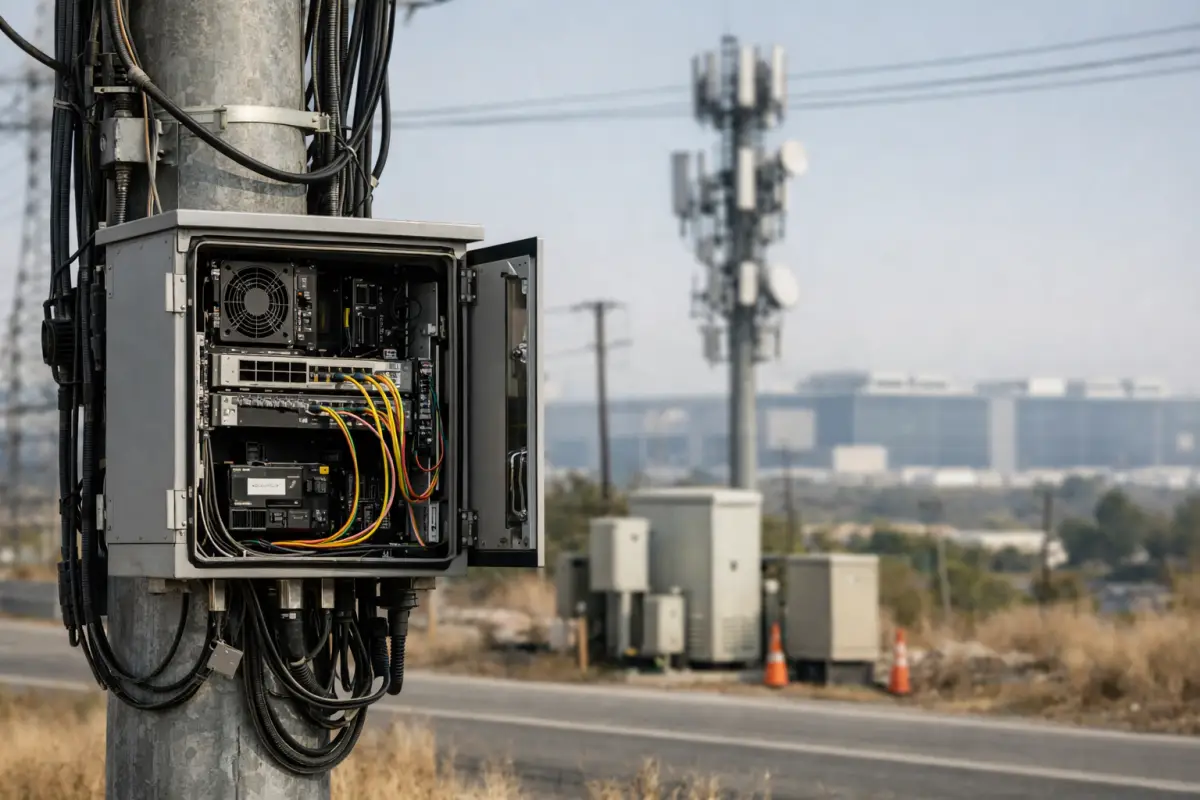
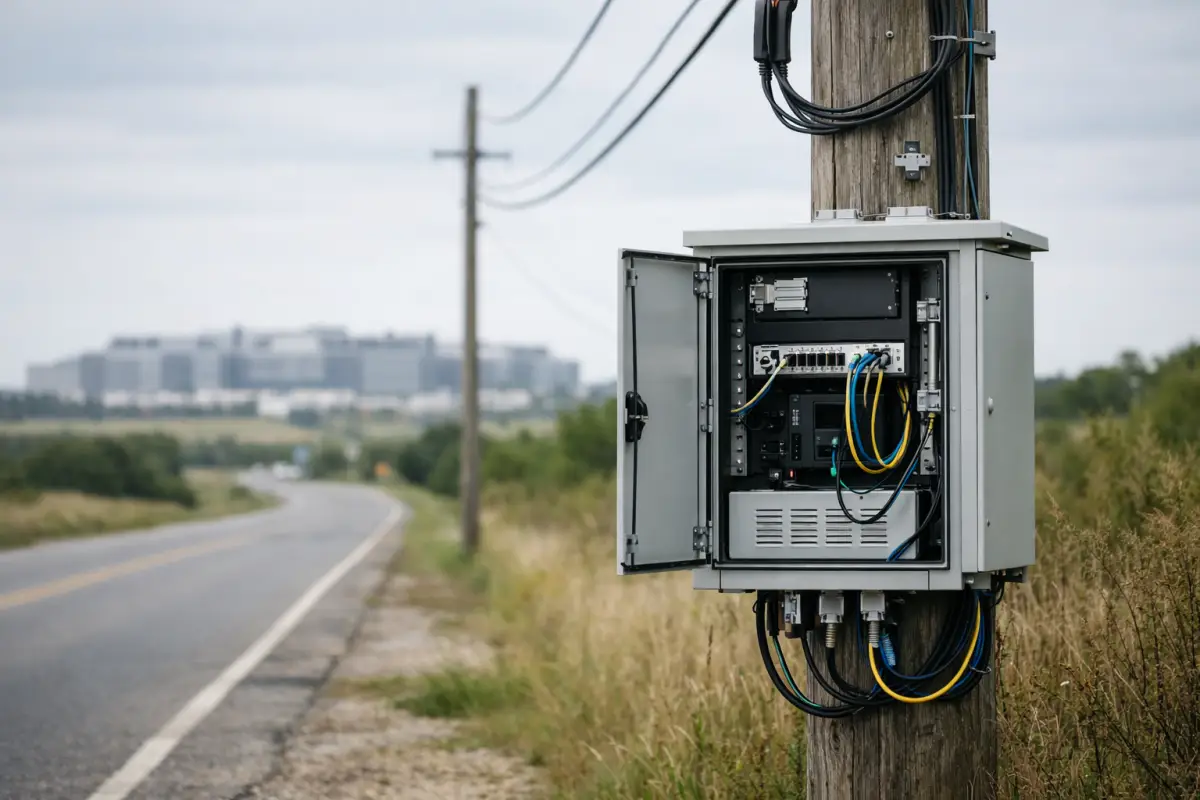
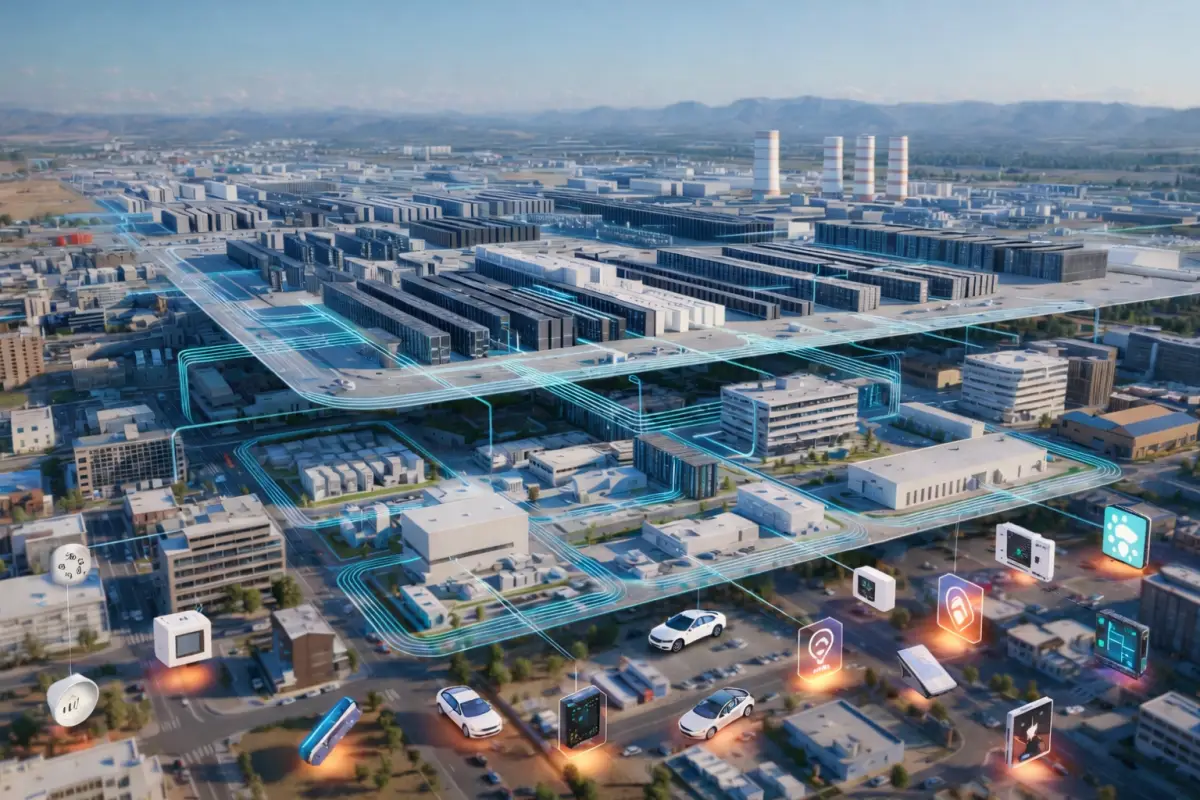
The operation of this integrated ecosystem depends on the coordinated interaction of three interconnected infrastructure layers. The first layer consists of global hyperscale cloud data centers that provide large-scale computing power and long-term storage for massive datasets. These facilities perform large-scale analytics and train complex artificial intelligence models. The second layer is the edge infrastructure composed of geographically distributed micro data centers that process data close to users, significantly reducing latency. The third layer includes endpoint devices such as sensors, smartphones, and embedded systems that generate raw data. In modern distributed systems, these layers no longer function in isolation. Instead, they operate as a cooperative network where data flows, computing resources, and control mechanisms are synchronized to achieve shared operational goals.
The Disappearance of Physical Boundaries and the Evolution of Network Structure
Traditional network architectures maintained a clear physical and logical separation between central servers and endpoint devices. Roles were rigidly defined, and the flow of information followed predictable routes. In the cloud-edge continuum, these boundaries gradually dissolve, giving rise to a continuous computing fabric. Infrastructure evolves into a unified computing space where applications no longer depend on a specific piece of hardware to execute their code. Instead of relying on fixed rules, tasks are distributed dynamically according to real-time network conditions. The system automatically analyzes latency requirements, available bandwidth, and workload complexity to determine where computations should occur. Processing can therefore be executed at any point within the network. This structural transformation turns the internet from a simple communication system into a decentralized global computing platform capable of optimizing resources with millisecond precision.
Dynamic Workload Distribution and Orchestration
The full functionality of the cloud-edge continuum depends on efficient workload management. In modern distributed environments, manual control of infrastructure resources is no longer feasible. Automated orchestration mechanisms therefore play a central role. These systems dynamically distribute computational processes between cloud and edge infrastructure in real time. The orchestrator acts as the central control mechanism that constantly monitors network conditions, resource availability, and the requirements of individual tasks. Decisions about where a workload should be executed are based on multi-criteria analysis that considers bandwidth utilization, energy efficiency, and computational complexity. This dynamic allocation ensures that resource-intensive processes remain within central servers, while time-sensitive operations are moved closer to the network edge. The result is a flexible ecosystem in which applications are no longer tied to a single physical location and can migrate across infrastructure layers to maintain optimal performance and resilience.
The Logic of Data Processing: Determining Where Computation Occurs
Determining where computation should take place in distributed architectures involves complex algorithmic logic. Each workload is evaluated using several critical parameters, including data locality and computational cost. When a device generates large volumes of sensor data, the system must decide whether it is more efficient to transmit all information to the cloud or process it locally. Tasks requiring deep historical analysis or synchronization with global data repositories are typically routed to centralized data centers, where computational resources are abundant and economically efficient. However, operations that are highly sensitive to latency are directed toward edge infrastructure or endpoint devices. During this process, the system also evaluates the current network state. If connectivity is unstable or bandwidth is limited, local processing becomes the only reliable option for maintaining operational continuity. Intelligent routing mechanisms therefore ensure optimal allocation of resources while preventing unnecessary network congestion.
The Role of AI Inference and Model Optimization at the Edge
One of the strongest drivers behind the cloud-edge continuum is the relocation of artificial intelligence processing—specifically AI inference—to the network edge. Traditionally, neural networks required extensive computational resources available primarily within centralized cloud servers. However, modern applications increasingly require decisions to be made near the source of data generation. This demand has accelerated the development of model optimization techniques designed for resource-constrained environments. Methods such as model quantization and pruning reduce the size and computational requirements of neural networks while preserving accuracy. As a result, optimized models can operate efficiently on edge devices with limited processing capacity. Running AI inference locally means devices no longer need to continuously transmit large volumes of sensor or visual data to the cloud. Instead, local systems filter information, make immediate decisions, and transmit only processed metadata to central servers. This approach significantly reduces network traffic and improves response times while also enhancing privacy protection because sensitive data remains near its point of origin.
The Role of the New Architecture in Modern Infrastructure
The cloud-edge continuum is reshaping the landscape of modern digital infrastructure and enabling the deployment of an entirely new category of technological systems. Traditional models based on static databases and periodic synchronization cannot deliver the speed and reliability required by distributed real-time networks. The new architectural paradigm is not merely about increasing computational capacity. It represents a structural reorganization of resources aligned with the demands of the physical world. Distributed intelligence and continuous computing ecosystems allow critical infrastructure to operate with high levels of autonomy and precision. This transformation becomes particularly visible in environments where digital and physical systems intersect, including industrial complexes, global transportation networks, and large-scale urban environments. In this architecture, infrastructure evolves beyond passive data collection and transmission layers into proactive systems capable of analyzing environmental conditions directly at the source of data generation. These systems can make independent decisions and respond instantly to changing conditions without waiting for instructions from distant servers.
Technical Requirements of Smart Cities and Autonomous Systems
The operation of smart cities and autonomous systems depends heavily on distributed computing architecture. Modern urban environments form complex networks where millions of sensors, surveillance cameras, traffic signals, and connected vehicles generate massive volumes of data every second. The key requirement for these systems is ultra-low latency combined with continuous system coordination. For example, autonomous vehicles must process visual input, assess potential hazards, and make driving decisions within fractions of a second. If these processes relied entirely on communication with remote cloud servers, even small delays could produce dangerous outcomes. Local processing within the vehicle itself or within nearby edge infrastructure is therefore essential. Similar logic applies to other components of smart cities, including intelligent energy grids and automated traffic management systems. These systems require distributed intelligence in which each node can analyze local conditions, optimize operations, and synchronize with the rest of the network. The cloud-edge continuum satisfies these requirements by enabling computational tasks to be executed as close as possible to where events occur, while centralized servers remain responsible for global analytics and long-term planning.
Data Localization and Improved Network Resilience
One of the most significant advantages of distributed architecture is data localization and the resulting improvement in overall system resilience. In strictly centralized systems, where operations depend on a small number of large data centers, disruptions to backbone connections or server failures can lead to widespread service outages. The cloud-edge continuum alters this dynamic by distributing computational resources geographically and moving processing closer to data sources. Local nodes can therefore maintain operational continuity even when global connectivity is disrupted. For example, an edge system integrated into an industrial facility can continue managing robotic production lines and enforcing safety protocols even if communication with central cloud infrastructure becomes temporarily unavailable. Beyond reliability, data localization reduces dependence on distant servers and limits exposure to cyberattacks or network anomalies. When most data processing and storage occurs locally, sensitive information rarely leaves the environment in which it is generated. The result is a resilient architecture capable of maintaining stability even when individual segments of the network experience disruptions.
The Future of the Internet: A Continuous Intelligent Ecosystem
The next stage in the evolution of the internet will not be defined solely by faster data transmission speeds or incremental increases in computing power. Instead, the future network infrastructure will function as a unified, continuous, and intelligent ecosystem in which the boundaries between local hardware and global servers effectively disappear. Within this paradigm, every node—whether a smartphone, industrial sensor, or regional data center—operates as part of a synchronized global computing system. Data storage, processing, and decision-making can occur anywhere within the network depending on where execution is most efficient at a given moment. Unlike earlier models in which the internet primarily transported information between endpoints, next-generation networks operate as universal computing platforms. This continuous ecosystem enables entirely new categories of digital services that depend on large-scale coordination and distributed intelligence. As a result, the internet evolves into an adaptive technological fabric that fully integrates physical and digital systems.
The Influence of 5G and 6G Networks on Continuum Capabilities
The practical implementation of the cloud-edge continuum is closely connected to advances in wireless communication technologies. Fifth-generation and future sixth-generation networks are not simply upgrades to mobile connectivity. They function as the fundamental infrastructure that allows distributed computing architectures to operate effectively. The high bandwidth and extremely low latency offered by these networks allow edge nodes and centralized cloud servers to communicate within millisecond ranges. Within 5G architecture, devices can connect directly to nearby computing resources located at base stations, minimizing the need for traffic to travel through long backbone routes. In large-scale IoT environments where millions of sensors operate simultaneously within a single square kilometer, the capabilities of advanced wireless networks become essential for managing continuous streams of data. Ultra-fast and reliable connectivity removes many of the barriers that previously limited distributed systems such as cooperative robotics or remote medical procedures. In the context of 6G development, where networks may incorporate sensing capabilities directly into communication infrastructure, the boundaries of the continuum will expand even further.
How the Cloud–Edge Continuum Will Reshape Global Computing Architecture
In the coming decades, the cloud-edge continuum will fundamentally reshape global computing architecture and gradually reduce the dominance of centralized data centers. Future infrastructure will operate as a planetary-scale distributed computing fabric that integrates cloud platforms, localized edge nodes, and billions of individual devices into a coordinated system. This architectural transformation will lead to the abstraction of hardware resources, meaning developers will no longer need to consider where applications are physically deployed. Instead, automated systems will distribute workloads across network layers to achieve maximum efficiency. Large server farms will therefore cease to be the only critical nodes within the global internet landscape. Computing capacity will increasingly be distributed across telecommunications towers, urban infrastructure, and user devices themselves. This decentralization will significantly expand network bandwidth while creating a more economically efficient computing model in which resources are utilized only where they are required. Ultimately, the cloud-edge continuum will transform the internet into an adaptive, intelligent computing environment capable of meeting future technological demands.
Go backComments (0)
From This Author
Select Crypto to Support the Author 💫
×TXintEE7aezp6QxNNtbghCXvmXJdgofEyr
0x9c6299454A6B617A0Db228024279F2a3EEf956dD
bc1qj7caz3xfh5qd4ud3v3nh7k4tfl5lg8jh9er73e
0x9c6299454A6B617A0Db228024279F2a3EEf956dD
3TndfWAhPytTaBZjC2GbNWqh9iWx171SYACjbG2j5vx8
DHsrtwiL56Xk1xAj3fe8pVcfLhE8xgt3EQ
0x9c6299454A6B617A0Db228024279F2a3EEf956dD
UQDFkubJxb8KmxFmy1arJxkewzmNEg6-G2pJFVzFihB65d7W
ltc1q3fentl6ur9cxm0vxyqkdmmzxkj92j00p9l8m7z
✍ Article Author
- Registration: 26 July 2025, 19:34
- Location: Georgia