


How Artificial Intelligence Is Transforming Our Daily Lives in 2026
 Tornike Moss
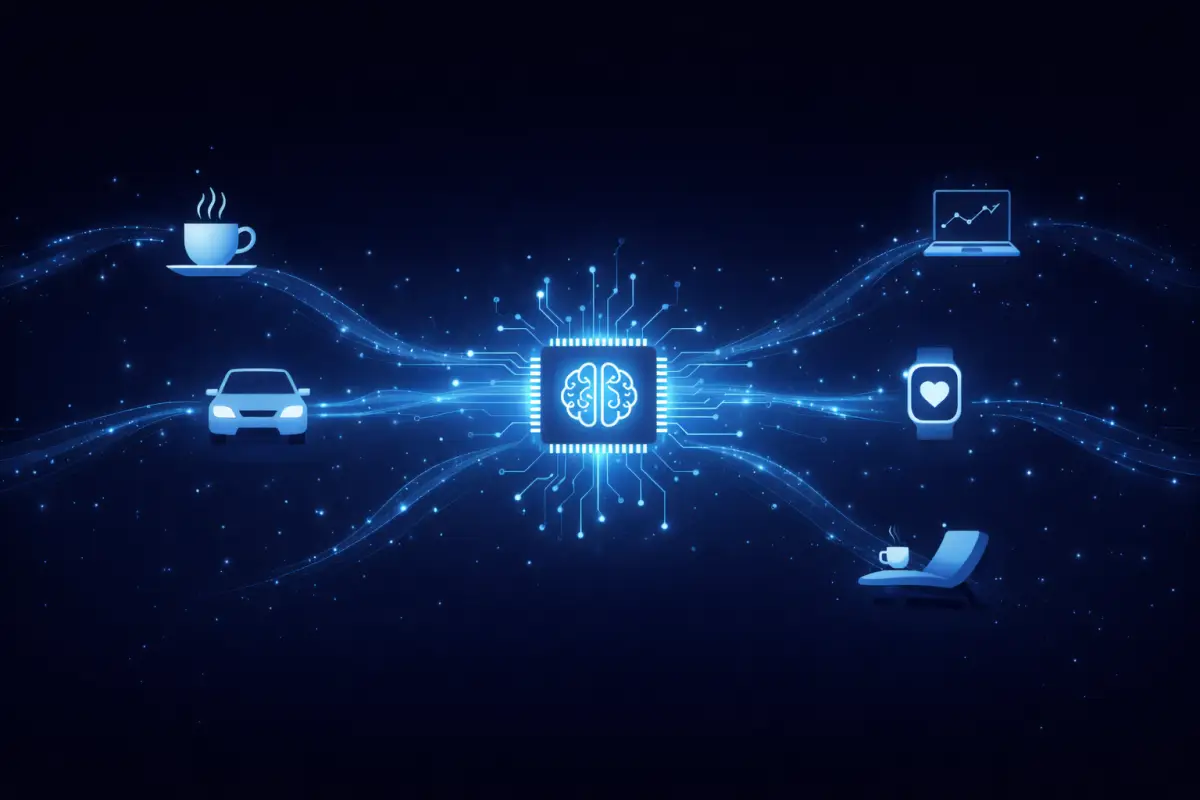
By 2026, Artificial Intelligence (AI) is no longer merely a futuristic concept or an isolated technological tool. It has seamlessly evolved into the foundational layer of modern digital infrastructure, invisibly orchestrating our daily lives, decisions, and services. Today, AI is as natural and indispensable a part of our routine as electricity or the internet. The vast majority of users do not even notice how algorithms analyze their behavior, create hyper-personalized experiences, or ensure real-time cybersecurity. This article explores the invisible web through which artificial intelligence connects our digital and physical realities in 2026, shaping an entirely new, intelligently driven world.
Table of Contents
AI as an Invisible Digital Infrastructure
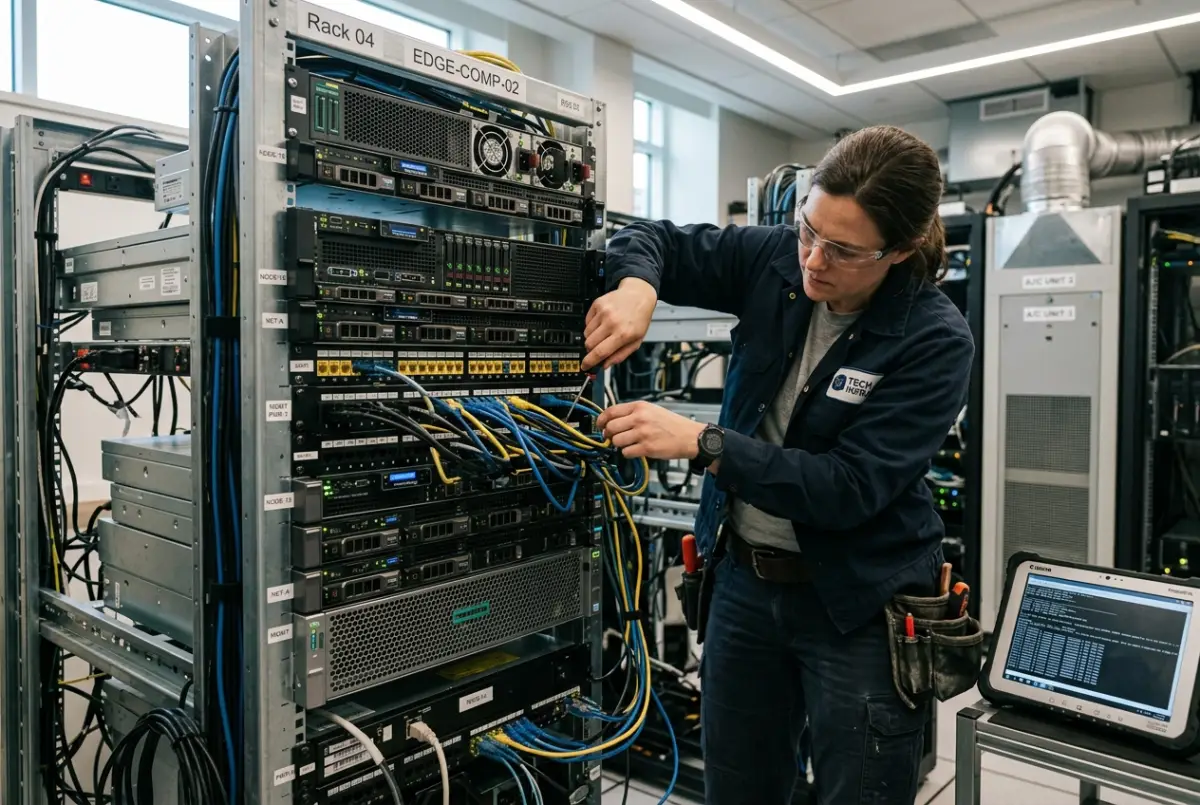
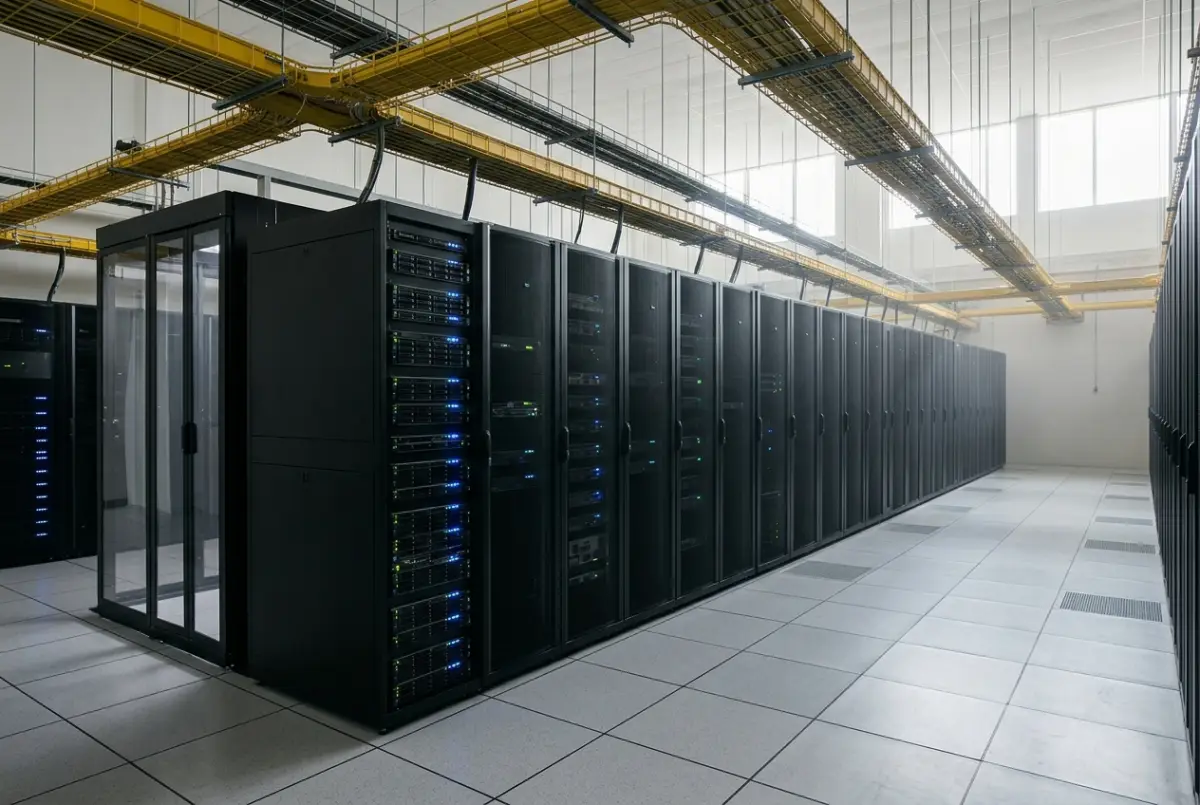
One of the defining traits of AI in 2026 is its invisibility. The more powerful it becomes, the less we actually notice it. Unlike the previous decade, when AI functioned as a standalone application or a specific tool with which users consciously interacted, today it has transitioned into an entirely invisible background mode. AI has quietly become part of the digital infrastructure that powers operating systems, networks, and the services we use every day. These systems operate continuously in the background, ensuring that both our digital and physical environments run smoothly. Their level of integration is so profound that they have become as natural as electricity or broadband connectivity in modern society.
Hyper-Personalization and Predictive Behavioral Modeling
One of the most complex elements of this invisible infrastructure is hyper-personalization. It relies on continuous, multi-dimensional modeling of user behavior. Traditional recommendation algorithms, which relied merely on past search histories and superficial demographic data, have been completely superseded by predictive modeling systems. The digital ecosystem of 2026 analyzes a wide spectrum of micro-interactions: the scrolling speed on a smartphone screen, the duration of visual attention on a specific text, variations in voice tone, and complex contextual variables such as stress levels or current physical activity. The system processes this information in real time, directly on the device via edge computing, ensuring low latency and robust privacy protection, thereby generating a highly accurate, dynamic digital profile of the individual.
As a result of such in-depth behavioral modeling, the digital environment does not merely suggest content to the user; it structurally adapts to them. The user interfaces of websites, the menus of professional software suites, and the architecture of educational platforms generatively morph based on what is optimal for a specific individual at any given microsecond. This represents a complete paradigm shift in UI design—a transition from static layouts to fluid, hyper-personalized environments. The process unfolds so organically that information is delivered in precise dosages. This radically mitigates information overload, leaving the user with only the data that is critically relevant to them, thereby boosting productivity and reducing digital fatigue.
Proactive Automation of Routine Decision-Making
While hyper-personalization streamlines information processing, the proactive automation of routine decisions liberates users from daily digital micro-management. Previous-generation systems were primarily reactive, requiring humans to pre-define rules or explicitly confirm actions. Today's invisible infrastructure, however, is characterized by high autonomy and initiative. Algorithms anticipate logistical, financial, or domestic needs that will arise in the near future and execute optimal decisions based on a "zero-interaction" principle, without any user intervention. The system's degree of reliability has scaled to such heights that users confidently entrust it with managing their daily routines.
In practice, this automation forges an entirely new synergy across diverse services. For instance, an intelligent personal finance management system autonomously analyzes global market trends, allocates monthly income, settles routine utility bills, and executes micro-investments tailored to an individual's specific risk profile. Concurrently, in the professional sphere, AI proactively manages corporate calendars, parses email inboxes, and not only triages priority communications but also independently drafts the initial versions of complex documentation for upcoming meetings. Such background automation saves humans an immense amount of cognitive bandwidth—resources that can now be redirected toward executing far more complex, creative, and strategic objectives.
Smart Urban Ecosystems
By 2026, the "smart city" concept has evolved from a patchwork of isolated digital projects into a unified, AI-orchestrated urban ecosystem. In modern megalopolises, AI functions as a central nervous system, continuously analyzing massive data streams generated by millions of IoT (Internet of Things) sensors, cameras, and connected devices. This invisible layer of urban infrastructure transforms a static urban landscape into a dynamic, adaptive system that proactively manages the city's vital resources and elevates the quality of life for millions of citizens without constant human intervention. These systems are now so sophisticated that urban management has become a fully automated process where decisions are executed in milliseconds. The seamless synchronization of various municipal services creates an environment where the infrastructure itself intuitively responds to the needs of the population.
Algorithmic Management of Transportation Networks
The algorithmic management of transportation networks has completely overhauled the paradigm of urban mobility. Traditional traffic lights operating on fixed timers have been replaced by adaptive, AI-driven traffic control systems. Leveraging computer vision and edge computing, these systems analyze video streams and sensor data at intersections in real time. The algorithm dynamically adjusts traffic light phases based on the precise volume of vehicles, pedestrians, and micromobility devices. By proactively predicting traffic jams before they materialize, artificial intelligence prevents gridlock, minimizes wait times, and crucially, significantly reduces carbon emissions within the urban grid. This approach allows cities to maximize the throughput capacity of their existing road infrastructure without the need to construct new highways. Furthermore, upon detecting a traffic incident, the algorithm assesses the risks within seconds and autonomously reroutes traffic flow across adjacent nodes.
Additionally, this intelligent transportation infrastructure is seamlessly integrated with comprehensive networks of public transit and autonomous vehicles. City-wide algorithms instantly optimize bus and train schedules in response to passenger demand or sudden weather fluctuations. Autonomous shuttles communicate directly with the city's central AI, receiving real-time updates regarding road closures, construction zones, or emergency situations. This V2X (Vehicle-to-Everything) communication protocol guarantees the unhindered passage of ambulances and fire services; the system automatically clears their path kilometers in advance by instantaneously rerouting other vehicular traffic onto alternative routes—a capability that frequently proves to be the decisive factor in saving human lives.
Real-Time Energy Consumption Optimization
Beyond mobility, one of the most critical applications of artificial intelligence within urban ecosystems is the real-time optimization of energy consumption. Modern smart grids rely on complex machine learning algorithms to precisely balance electricity supply and demand across the entire cityscape. Unlike antiquated grids that struggled to cope with the intermittent nature of renewable energy, the AI-driven energy matrix of 2026 utilizes hyper-local weather forecasts to predict solar and wind energy generation yields with pinpoint accuracy. Subsequently, it distributes this power efficiently, storing surplus resources in massive, district-level battery arrays or instantaneously routing it toward zones anticipating peak industrial or residential loads. This decentralized approach significantly bolsters the city's energy independence and sustainability.
This predictive model of urban analytics extends down to individual buildings and industrial zones. Smart buildings equipped with digital twin technology maintain continuous, bidirectional communication with the central municipal grid. AI autonomously regulates HVAC (heating, ventilation, and air conditioning) and lighting systems based on real-time occupancy levels and current ambient temperatures, thereby minimizing energy waste. During periods of extreme grid congestion, the system can automatically execute micro-adjustments—for example, dimming streetlights by an imperceptible percentage or temporarily pausing non-critical industrial cooling processes. All of this completely eliminates the risk of massive power outages (blackouts) while ensuring that a comfortable, safe, and ecologically clean environment is seamlessly maintained for citizens without any disruption.
AI's Transformation of Work and Productivity
By 2026, artificial intelligence in the workplace has transitioned from a technological novelty into the fundamental stratum of productivity for modern organizations. Today, it serves as an invisible, omnipresent collaborative partner that integrates flawlessly into corporate infrastructure, cloud services, and local networks. Instead of siloed applications, we now operate within a unified intelligent environment where data flows freely across platforms. Rather than replacing human capital, these systems significantly augment the capabilities of professionals, streamline complex workflows, and fundamentally alter how organizations manage time, institutional knowledge, and daily operations. The new technological paradigm is anchored in human-machine synergy, where strategic thinking remains the domain of the human, while the velocity of execution is delegated to the algorithm.
Intelligent Workspace Tools
In the modern corporate environment, intelligent workflow tools—frequently referred to as "copilots"—are deeply embedded within all standard office applications. These systems proactively participate in drafting documents, designing presentations, and formatting complex financial spreadsheets, capable of adapting the tone of a text for a specific audience and automatically visualizing data. During virtual meetings, "meeting intelligence" algorithms transcribe conversations in real time, autonomously extract key action items, and instantaneously generate detailed summaries. Furthermore, they can pull context from previous meetings and provide multilingual simultaneous translation. This robust technological support empowers professionals to focus entirely on the strategic aspects of a discussion, rather than expending time on administrative note-taking and overcoming language barriers.
The transformation is no less monumental in specialized fields, where intelligent assistants have become an integral part of the daily routine. Software developers actively leverage AI coding assistants that not only suggest specific code snippets but also audit the entire architecture for security vulnerabilities, decipher the logic of legacy code, and optimize system performance in real time. In customer support services, augmentation systems provide operators with on-screen access to the complete history of client interactions, conduct sentiment analysis on the user's emotional state, and generate optimal responses tailored to the specific nature of the problem. This synergy of human expertise and machine velocity dramatically elevates the quality of work output, mitigates the probability of errors, and drives customer satisfaction indices to unprecedented heights.
Automation in the Knowledge Economy
The knowledge economy of 2026 is critically dependent on AI's capacity to process and synthesize colossal volumes of unstructured data. Corporate search engines have evolved into intelligent knowledge management ecosystems. In lieu of traditional keyword searches, semantic search has been implemented, capable of comprehending context to extract, cross-reference, and summarize information from thousands of internal documents, emails, and databases within seconds. When a financial analyst or legal researcher is tasked with processing extensive contracts, judicial precedents, or complex market reports, AI algorithms instantaneously extract critical clauses and hidden trends. This advanced summarization capability radically reduces the time spent on mechanical research, dismantles information silos between departments, and enhances the precision of the analytical process.
Beyond simple information retrieval, workflow automation today encompasses complex, multi-tiered business processes that previously demanded constant human oversight. AI-driven decision support systems continuously analyze historical data and current market variables to equip management with predictive insights regarding supply chain management, logistics, and strategic planning. These systems autonomously distribute tasks to the appropriate departments, automatically detect anomalies in financial transactions, and coordinate the entire lifecycle of a project. Consequently, professionals operating within the knowledge sector are liberated from repetitive, routine administrative burdens. This enables them to fully channel their cognitive resources toward high-level problem-solving and strategic innovation, which ultimately dictates a company's global competitiveness.
A New Paradigm for Healthcare and Wellness
By 2026, technological progress has catalyzed a fundamental transformation in the healthcare and general wellness sector, where reactive approaches have been entirely supplanted by a proactive, data-driven ecosystem. Artificial intelligence is no longer confined to the role of an auxiliary tool for clinical diagnostics; it has evolved into an invisible, continuous digital mechanism that monitors our daily physical and mental states. This new paradigm is built upon the synthesis of wearables, sensor networks, and predictive analytics, establishing an unprecedented infrastructure for continuous, personalized health management. Today, health is no longer viewed as an isolated medical concept; it is an integral and perpetually monitored component of our daily digital lives.
Preventive Medicine and Biometric Monitoring
Modern wearable technologies and micro-sensors have far surpassed the capabilities of traditional fitness trackers, metamorphosing into complex biometric stations. In 2026, smartwatches, biometric rings, and invisible sensors integrated into clothing collect vital data in real time, such as heart rate micro-variability, blood oxygen and glucose dynamics, hydration levels, and the architecture of deep sleep phases. This continuous stream is automatically transmitted to cloud-based AI systems, constructing a highly precise "digital twin" of each user's organism. Aided by edge computing, initial data processing occurs directly on the device, ensuring both rapid response times and the highest standards of personal data privacy. Through this technological model, the algorithm maps the individual's physiological baseline and instantaneously detects any deviation, no matter how marginal.
It is precisely through the processing of this Big Data that preventive medicine is realized on a digital level. Predictive analytics systems deploy advanced machine learning models to identify potential physiological anomalies weeks or even months before any physical symptoms manifest. The system independently stratifies risks and, subject to proper authorization, automatically dispatches encrypted reports to centralized medical platforms. It is crucial to note that this infrastructure does not render formal medical diagnoses, nor does it prescribe treatments to the user; rather, it facilitates a high-tech triage process. It provides an analytical foundation and early warning signals so that healthcare providers can implement timely and effective preventive measures, ultimately alleviating the global burden on the hospital sector.
Personalized Psychological Support Systems
In parallel with physical health, artificial intelligence has played a revolutionary role in developing the digital infrastructure for mental well-being. Modern systems utilize behavioral biometrics data for the continuous monitoring of a user's emotional and psychological baseline. Interaction styles with devices—such as the intensity of taps on a smartphone screen, typing speed on a keyboard, voice modulation when speaking to virtual assistants, and specific behavioral patterns while navigating social networks—serve as invaluable indicators for the algorithm. Natural Language Processing (NLP) algorithms analyze the sentiment of textual communication to detect underlying stress. By synthesizing this metadata, AI identifies trends pointing toward burnout or rising anxiety levels entirely in the background, without requiring any additional input from the user.
When the intelligent system registers a high metric of cognitive overload, proactive mechanisms for personalized support are immediately triggered. Synchronizing with other applications, digital wellness platforms autonomously alter workspace parameters: temporarily blocking non-critical notifications, shifting the screen's visual theme to soothing color palettes, or automatically carving out free windows in the calendar for micro-breaks. Integrated conversational AI agents initiate interaction to provide primary psychological decompression, suggesting breathing exercises or guided meditation sessions. This technological ecosystem strictly delineates its function and does not replace qualified psychotherapy; its primary objective is to weave a robust, preventive safety net that assists individuals in real time with navigating the perpetual stressors of the digital age and maintaining daily emotional equilibrium.
Security and Ethics in the Era of Invisible Intelligence
As artificial intelligence morphs into the invisible, foundational layer of digital infrastructure, matters of security and ethics take on an entirely new, critical dimension. Because these systems function autonomously in the background—executing millions of micro-decisions daily without direct human intervention—the potential attack surface for cyber threats expands exponentially. Furthermore, the consequences of a technological glitch or malicious manipulation are no longer confined to localized, isolated incidents. They can trigger systemic cascading failures that cripple multiple sectors of the economy simultaneously. Consequently, sustaining public trust in this global infrastructure demands not only a radical reimagining of traditional cybersecurity methodologies but also the rigorous integration of ethical frameworks directly into the base architecture of the algorithms themselves.
Digital Identity Protection and Cybersecurity
In the modern digital ecosystem, the protection of digital identity has pivoted from static passwords and single-factor authentication to systems based on continuous behavioral verification. The core foundation of this transformation is zero-trust architecture, wherein no user, server, or mobile device is granted automatic trust, regardless of their location inside or outside the network perimeter. Artificial intelligence continuously analyzes interaction patterns and employs advanced machine learning models for anomaly detection. In real time, the system cross-verifies the device's technical health, geolocation data, and network behavior to instantaneously block any suspicious activity. This complex process unfolds in fractions of a second, remaining entirely imperceptible to the legitimate user.
Simultaneously, the unprecedented surge in the complexity and automation of cyberattacks has necessitated the mass deployment of AI-driven cyber-defense mechanisms. Traditional, signature-based antivirus software has been completely eclipsed by predictive defense algorithms that independently generate strategic countermeasures against zero-day and previously unknown threats. Automated fraud detection systems in global financial sectors operate on this exact same logic. They continuously process terabytes of transactional data, identifying complex, multi-layered fraudulent schemes that are physically impossible to detect using standard, rule-based programming. This creates a dynamic, self-learning cyber-shield that proactively neutralizes risks.
Data Privacy and the Risks of Algorithmic Bias
The seamless operation of this invisible intelligent infrastructure necessitates the continuous processing of colossal volumes of personal data, which engenders massive privacy risks. In response to this escalating challenge, the tech industry has actively begun deploying federated learning. This innovative, decentralized approach allows algorithms to train directly on local data residing on the user's device, ensuring that sensitive information is never uploaded to central cloud servers. This concept is further fortified by differential privacy techniques, which artificially inject specific statistical noise into massive databases. This methodology precludes the identification of any specific individual within the network while simultaneously preserving the high accuracy of global analytics.
Beyond the technical safeguarding of privacy, the risks of algorithmic bias remain an acute ethical dilemma. The primary source of systemic discrimination is often historically imbalanced datasets or so-called proxy variables, where seemingly neutral data—such as a zip code—covertly reflects socio-economic demographics. When autonomous AI utilizes such flawed data to evaluate creditworthiness, employment suitability, or resource allocation, it inadvertently amplifies existing societal inequalities. For this very reason, modern digital infrastructure categorically mandates continuous algorithm auditing and monitoring. Independent testing mechanisms are critically essential to ensure that the technology serves the principles of objectivity and fairness.
Ultimately, by 2026, the role of artificial intelligence in our lives has ascended to an entirely new echelon. It has transcended the confines of laboratories and isolated applications to become the invisible engine that powers everyday life. Whether it is the continuous monitoring of our health, the safeguarding of highly complex financial transactions, or the orchestration of sprawling transportation networks in megalopolises, AI is virtually ubiquitous. Its presence has become so natural and organic that we frequently fail to notice it. This imperceptible yet profound integration of technology signifies the monumental success of digital transformation; however, simultaneously, it imposes entirely new responsibilities upon society. When a system executes daily micro-decisions on our behalf and governs our digital footprint, the strict adherence to ethical standards, algorithmic transparency, and robust data security mechanisms becomes critically imperative. The paramount challenge of the future is no longer merely the further advancement of technology or the addition of new features, but rather the harmonious, secure coexistence of humanity and this massive, invisible infrastructure. Artificial intelligence has successfully engineered a new breed of intelligent environment where human potential and machine precision complement each other—yet, the ultimate controlling force must unequivocally remain human.
Go backComments (0)
From This Author
Select Crypto to Support the Author 💫
×TXintEE7aezp6QxNNtbghCXvmXJdgofEyr
0x9c6299454A6B617A0Db228024279F2a3EEf956dD
bc1qj7caz3xfh5qd4ud3v3nh7k4tfl5lg8jh9er73e
0x9c6299454A6B617A0Db228024279F2a3EEf956dD
3TndfWAhPytTaBZjC2GbNWqh9iWx171SYACjbG2j5vx8
DHsrtwiL56Xk1xAj3fe8pVcfLhE8xgt3EQ
0x9c6299454A6B617A0Db228024279F2a3EEf956dD
UQDFkubJxb8KmxFmy1arJxkewzmNEg6-G2pJFVzFihB65d7W
ltc1q3fentl6ur9cxm0vxyqkdmmzxkj92j00p9l8m7z
✍ Article Author
- Registration: 26 July 2025, 19:34
- Location: Georgia