

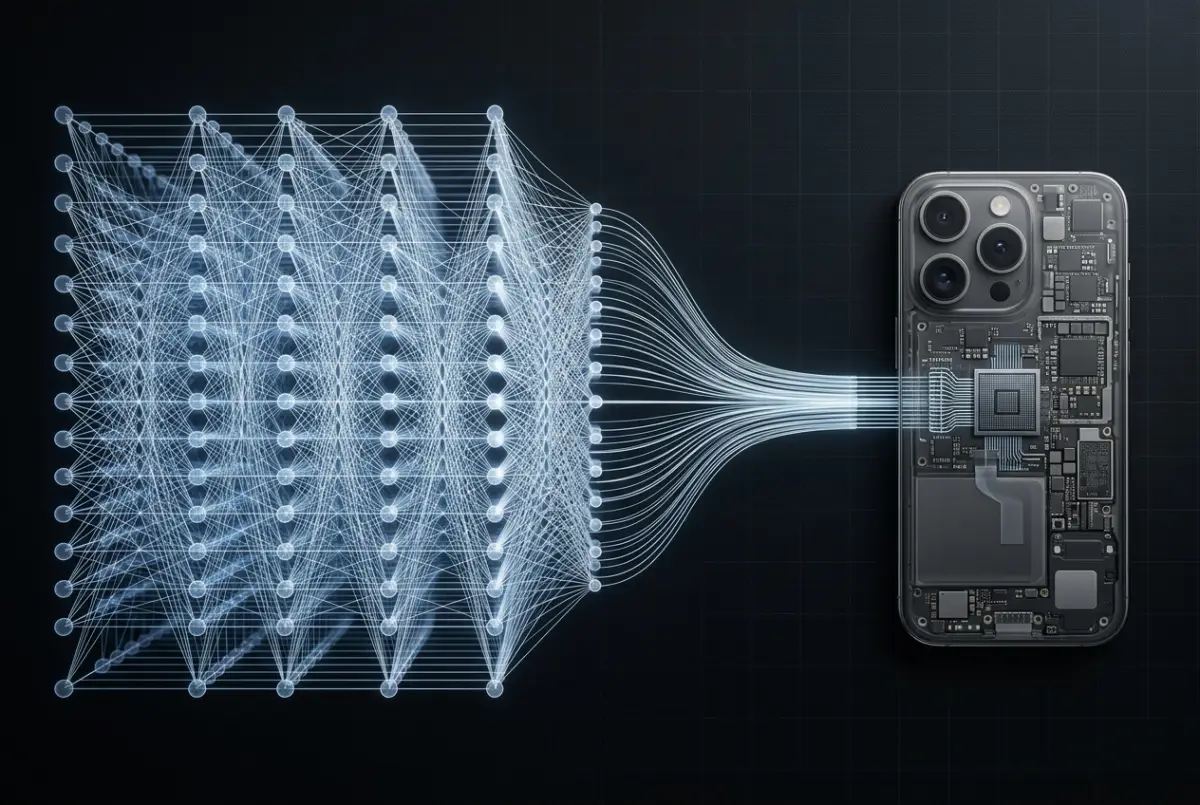


When Did Artificial Intelligence Become Our “Invisible Friend”?
 Tornike Moss
(Spoiler: earlier than you think)
Hello. Let’s talk honestly for a moment.
When we were kids and imagined the future, what did we see? Flying cars, shiny silver suits—and, most importantly, robots. You know the kind: robots that would brew your coffee in the morning, clean the house, and, if they woke up in a bad mood, possibly wipe out humanity.
Hollywood trained us to believe that artificial intelligence AI would arrive loudly. With metal footsteps. With glowing eyes. Maybe a Terminator. At the very least, a talking cyborg.
But reality turned out very differently.
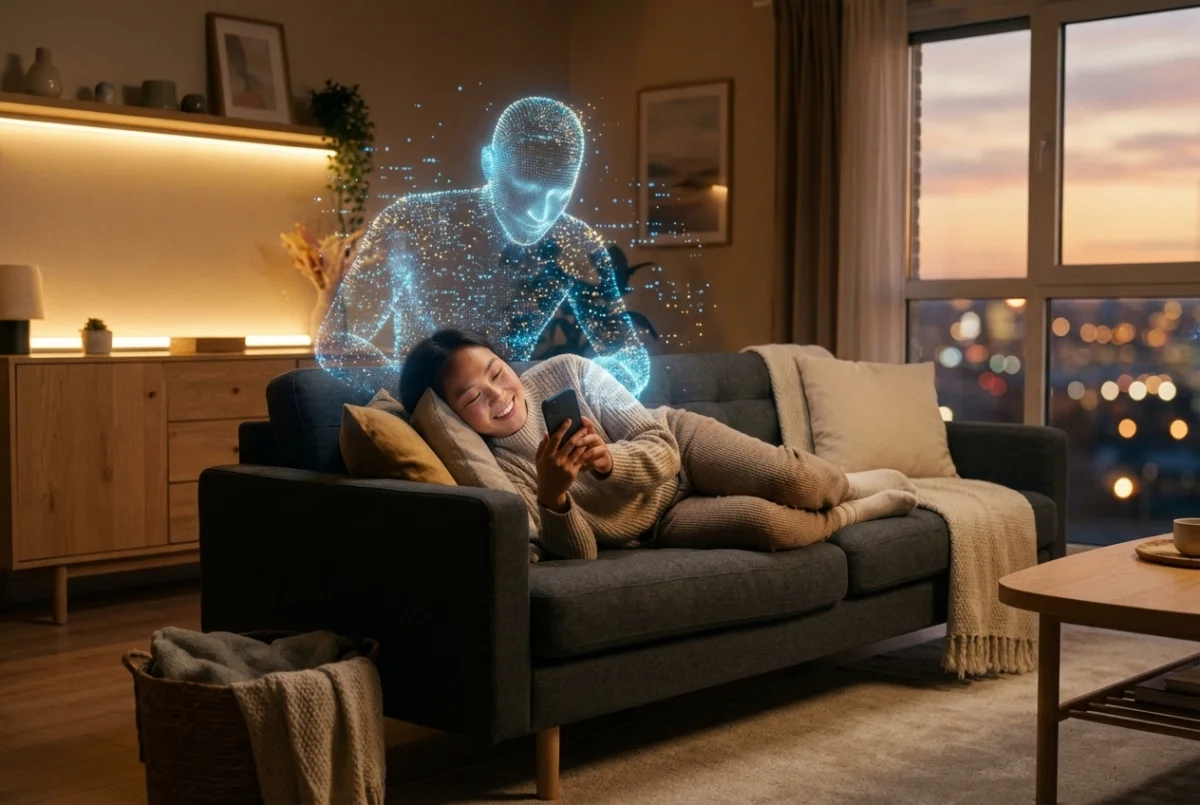
AI didn’t crash into our lives with explosions or weapons. It slipped in quietly, on tiptoe. And the funniest part? We barely noticed it happening.
Today, I want to walk you through the moments when technology became our invisible assistant—while we were still telling ourselves, Oh, the computer just works better now.
Part 1: T9 and the Era of “Inheritance Emails”
Think back for a moment.
When was the first time your phone decided what you were going to write—before you did?
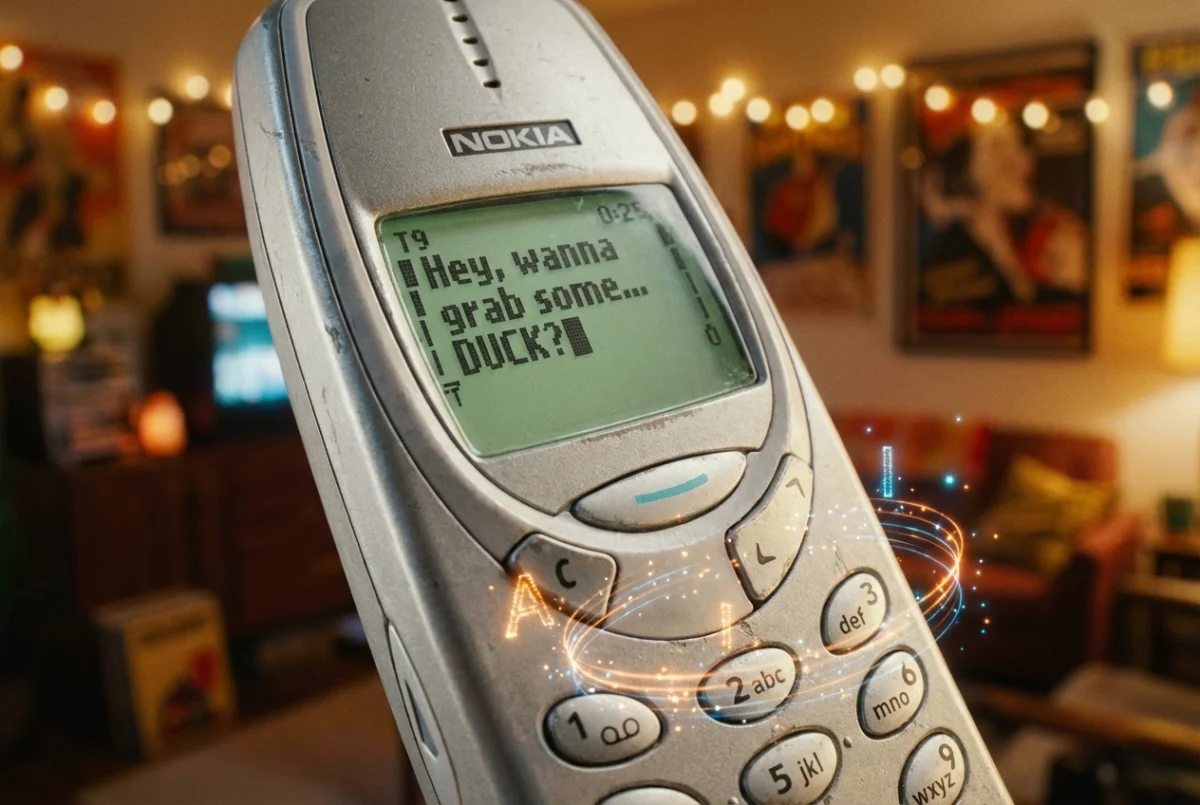
Remember old mobile phones? Remember T9? That wonderfully frustrating feature that turned a simple Hi into something completely absurd. Back then, we laughed and called it autocorrect. In reality, it was one of AI’s earliest, shy attempts to understand what a human was trying to say.
Or think about email.
Do you remember when your inbox was flooded with strange inheritance messages—emails from unknown senders promising sudden fortunes, as long as you helped with a small detail? Where did they all go?
They didn’t disappear. One day, your email simply learned what was junk and what actually mattered. There was no celebration. No announcement. We didn’t say, Wow, my AI is amazing. We just accepted the comfort.
That was the beginning of the invisible assistant era. AI was already in our pockets—while we were still waiting for flying robots.
Part 2: Why Netflix Knows What You Want Better Than You Do
Now let’s move to the more interesting stage.
Have you noticed that YouTube or TikTok sometimes understands your mood better than your closest friend?
It’s evening. You’re tired. You don’t know what you want to watch. And then—boom. A video appears:
How to build a house from mud. Or: Cats jumping after seeing cucumbers.
And you watch. For hours.
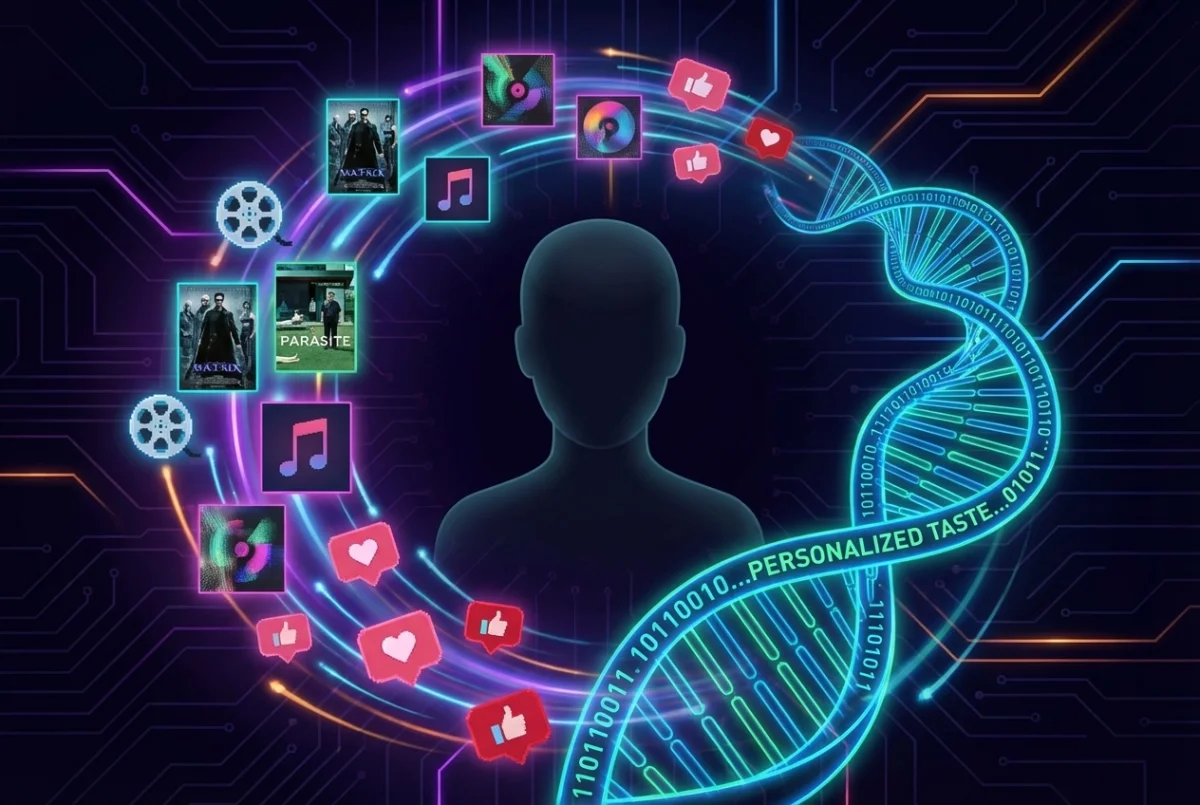
We call this the algorithm. In reality, it’s a highly attentive assistant sitting quietly in the corner, taking notes:
Okay, Giorgi liked cooking videos—but only for three minutes. Racing videos? Watched to the end.
This invisible friend has been studying our tastes for years. When Spotify plays the exact song you were in the mood for, that’s not magic. It’s data. But we’ve become so used to this comfort that when an app gets it wrong just once, we get annoyed: What’s wrong with this thing today?
See what happened?
We’ve developed expectations from our invisible friend.

Part 3: Google Maps and the Romance We Lost
Let’s admit it—we’ve lost our sense of direction.
There was a time when getting lost in a new city was a small adventure. You asked strangers for directions. You argued with taxi drivers. You figured things out.
Now? You open Google Maps or Waze and follow the line.
But notice this moment: when the map says, There’s traffic ahead. I’ll reroute you—you’ll save five minutes, you trust it. Blindly.
This is where AI stopped being just an assistant and became a decision-maker. It sees the entire city, analyzes thousands of moving vehicles, and chooses the best path for you. And we accept it as completely normal.
Funny, isn’t it? We trust a machine more than our own eyes or intuition. And the most important part?
It’s almost always right.
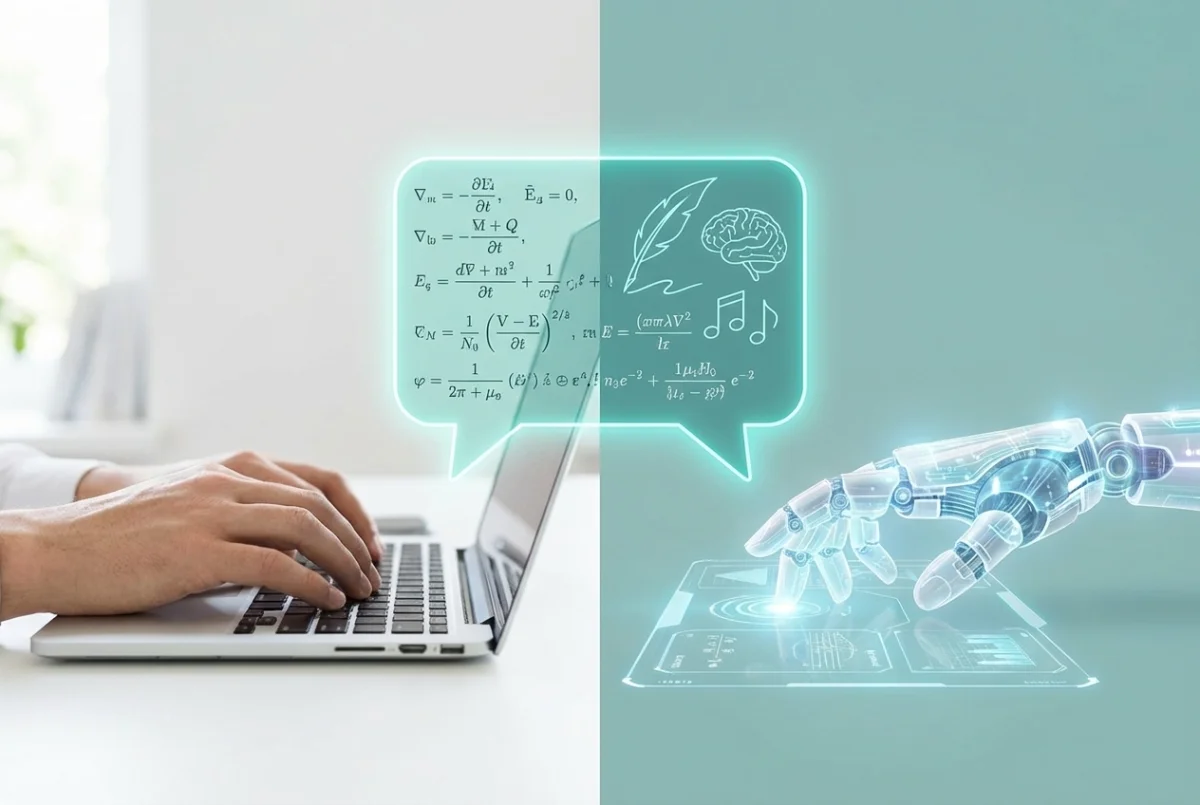
Part 4: And Then… Boom. Everything Changed
And then we reached late 2022—the moment when the invisible friend stepped onto the stage and picked up a microphone.
Yes, I’m talking about ChatGPT and its relatives.
Before that, AI worked backstage—sorting emails, navigating routes, picking songs. Suddenly, it started talking. We realized we could ask it for advice, have it write emails, generate images, or just chat.
It was a shock.
Some people panicked: It’s going to take my job!
Others celebrated: Great, I’ll never write another assignment!
But the real shift was this: we started interacting with AI. It stopped being just software. It became someone you could say things to like: Make this sound friendlier, or Help me choose a gift for someone I love.
We began collaborating with it.
And this relationship? It’s only just beginning.
So where does that leave us?
Artificial intelligence isn’t what movies promised. It’s not a cold metal robot firing lasers. It’s more like a very eager, slightly nerdy assistant that never leaves your side.
It’s in your phone when you unlock it with your face.
It’s in your camera when your photo looks better than the mirror.
It’s in your bank when transactions are checked for fraud.
We didn’t notice when AI became part of our lives because it arrived naturally—comfortably.
So next time your phone suggests the exact word you didn’t feel like typing, or Netflix plays a movie that perfectly matches your mood—smile. That’s your invisible friend saying:
I know what you need. Relax. I’ve got this.
And who knows—maybe this article was written by one of them?
Just kidding.
Or… am I?
Until next time.
Go backComments (0)
From This Author
Select Crypto to Support the Author 💫
×TXintEE7aezp6QxNNtbghCXvmXJdgofEyr
0x9c6299454A6B617A0Db228024279F2a3EEf956dD
bc1qj7caz3xfh5qd4ud3v3nh7k4tfl5lg8jh9er73e
0x9c6299454A6B617A0Db228024279F2a3EEf956dD
3TndfWAhPytTaBZjC2GbNWqh9iWx171SYACjbG2j5vx8
DHsrtwiL56Xk1xAj3fe8pVcfLhE8xgt3EQ
0x9c6299454A6B617A0Db228024279F2a3EEf956dD
UQDFkubJxb8KmxFmy1arJxkewzmNEg6-G2pJFVzFihB65d7W
ltc1q3fentl6ur9cxm0vxyqkdmmzxkj92j00p9l8m7z
✍ Article Author
- Registration: 26 July 2025, 19:34
- Location: Georgia