

Internet in 2025: How AI Quietly Slipped Into Every Click We Make
 Tornike Moss
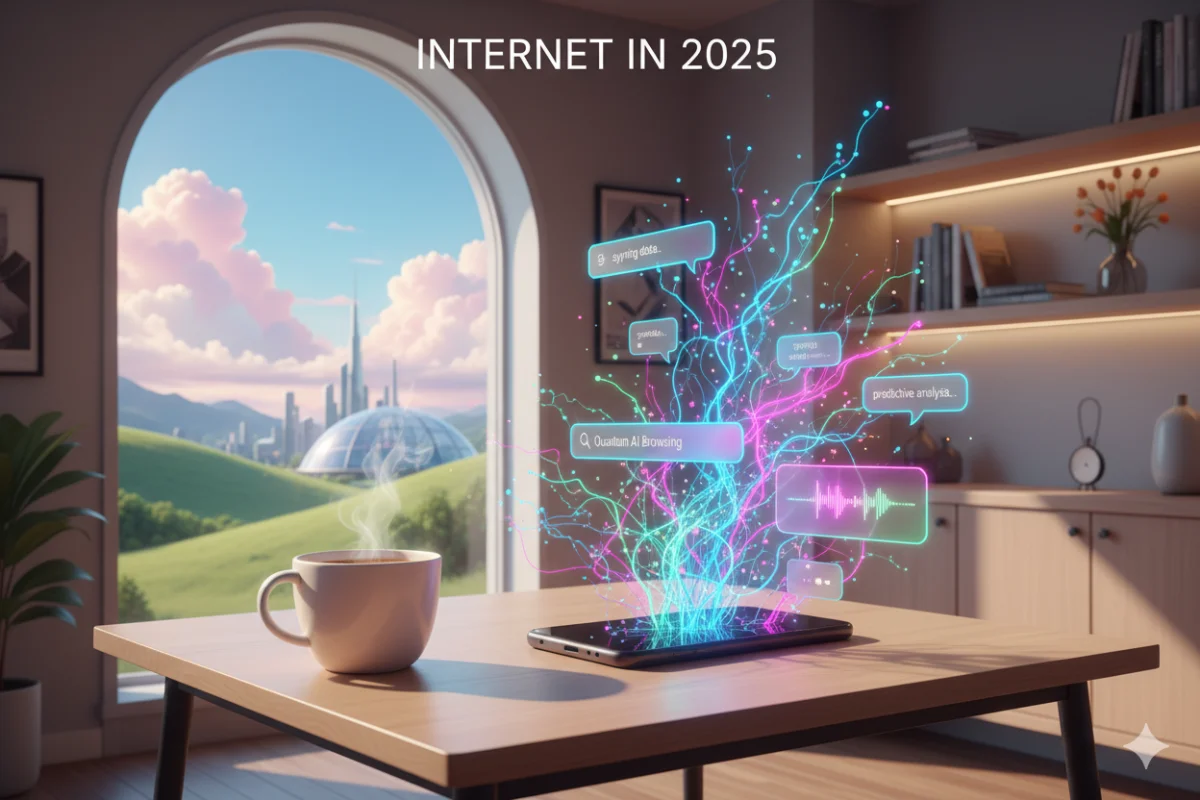
It’s 2025. You sip your morning coffee, unlock your phone, start scrolling out of habit—and suddenly it hits you: the internet you knew just three or four years ago no longer exists. This shift didn’t happen overnight, and there was no single explosive moment. Artificial intelligence simply entered our daily lives quietly and naturally, much like smartphones once did.
Today, AI is no longer a technology of the future debated by tech enthusiasts. It has become a lens through which we experience the digital world. But what does that actually mean for everyday users? Let’s take an honest look at how our feeds, inboxes, and search results have changed.
Here’s what we now notice on a daily basis.
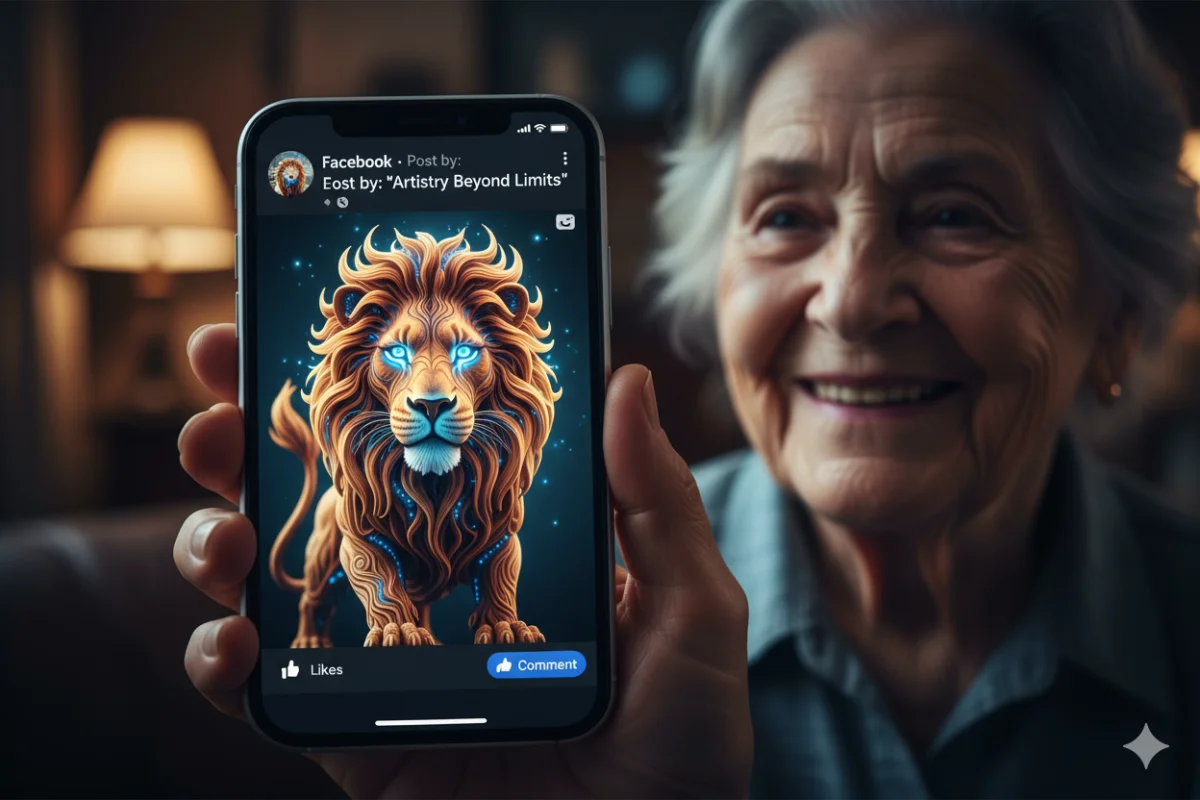
Photos That Look Too Perfect (and Confuse Grandparents)
Open Facebook or Instagram and you’ll likely notice a strange new pattern. Images have become overly polished, overly colorful—and oddly unreal.
Back when AI-generated images were easy to spot thanks to six fingers or distorted faces, the technology still had obvious flaws. By 2025, those issues are largely gone. Social media is now filled with flawless interiors no one actually lives in, dishes that seem to defy the laws of physics, and landscapes that don’t exist anywhere on Earth.
The most fascinating—and slightly sad—part is the comment section. You’ll often see people from older generations sincerely congratulating a talented artist on a beautifully carved wooden lion sculpture that, in reality, was generated by AI in just a few seconds.
This constant visual overload creates a kind of reality fatigue. Our eyes slowly learn that if something looks too impressive, there’s a good chance it isn’t real at all.
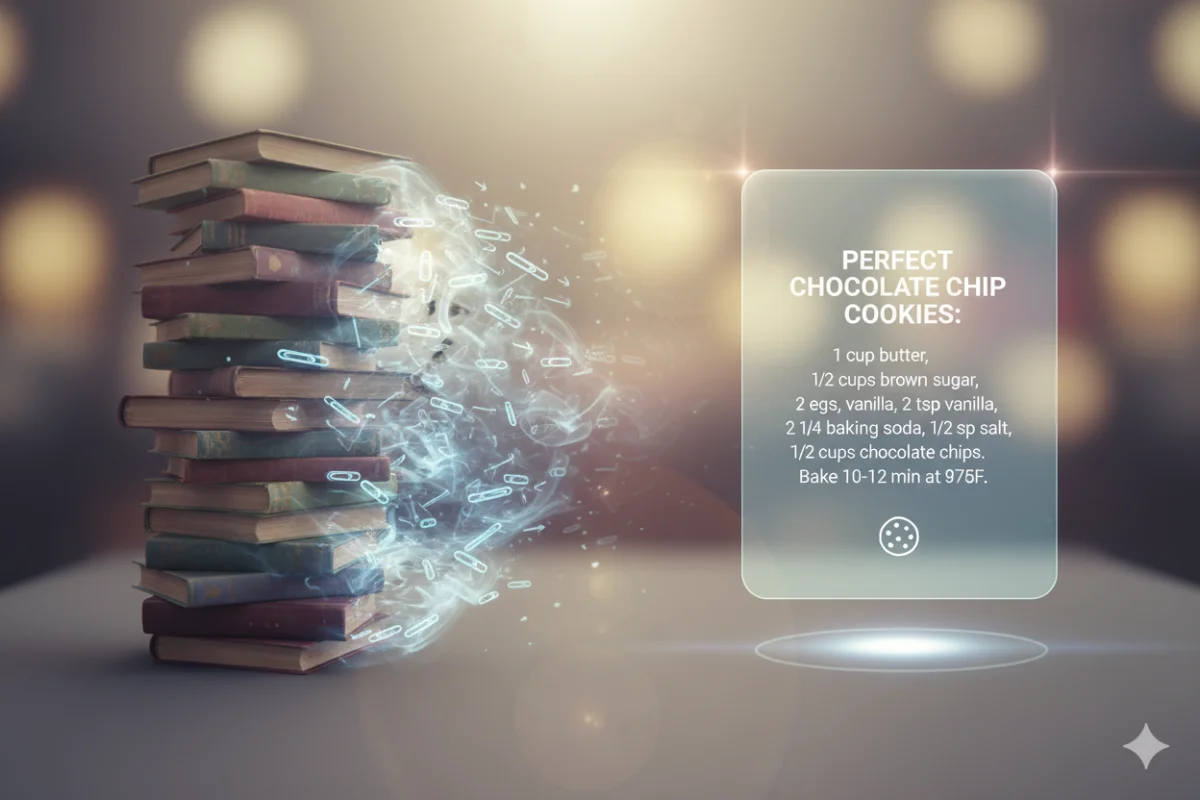
Googling Is Over — Now We Just Get Answers
Remember when searching for information meant opening a search engine, clicking through blue links, and reading several websites? In 2025, that process feels almost archaic.
Today, when you ask Google or an AI assistant like ChatGPT or Perplexity a question, you’re not given a list of links—you’re given a direct answer.
What’s convenient:
You no longer have to read a food blogger’s childhood memories just to find out how many eggs go into khachapuri dough. The answer appears instantly.
What’s risky:
We’ve grown lazier. We verify sources less often. If AI tells us something is true, we tend to accept it without question. The internet has shifted from a place of exploration to a space of ready-made answers, where critical thinking is often sacrificed for comfort.
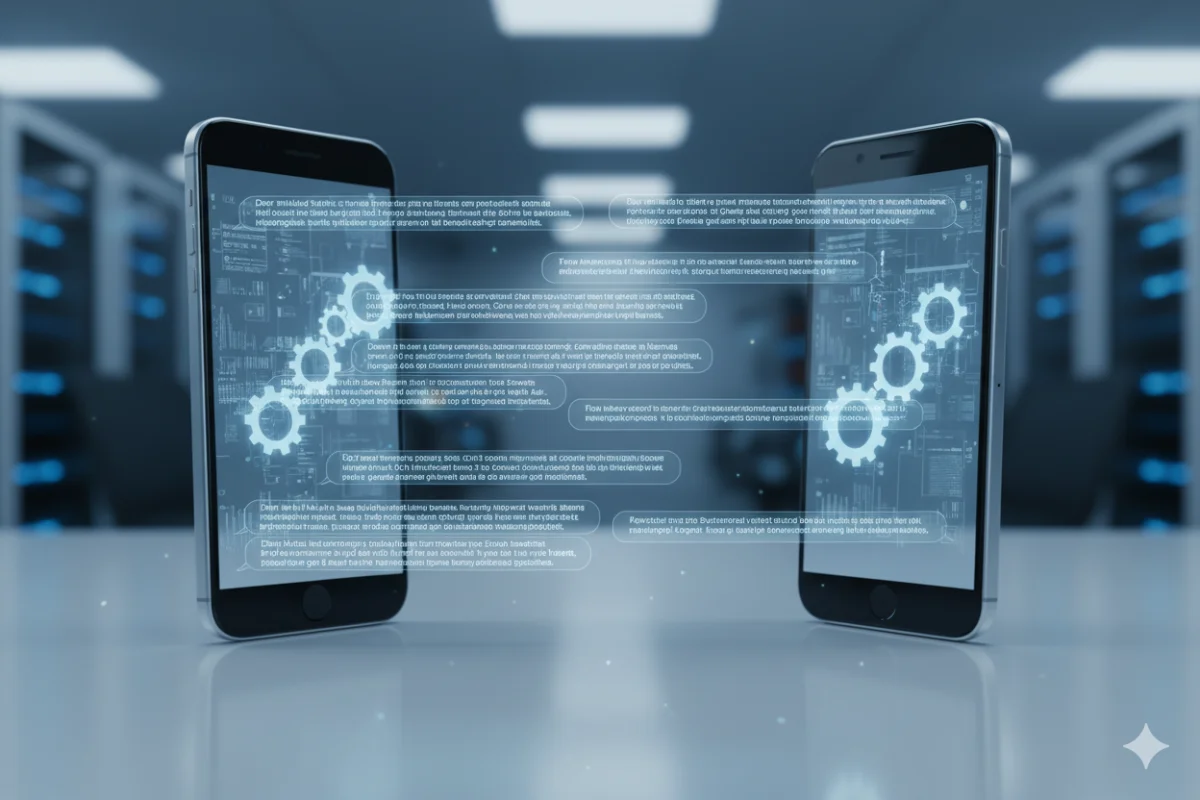
Texts That Speak Better Than You Do
Work communication in 2025 feels like a strange game: AI writes emails for other AIs.
When you start typing in Gmail or LinkedIn, the algorithm immediately suggests how to finish your sentence. Often, all you do is type politely decline, and the system produces a perfectly diplomatic, three-paragraph response.
On one hand, this saves time and helps us stay polite even when we’re exhausted or annoyed. On the other hand, communication has grown cold. Emails all sound the same—polished, standardized, and soulless. Sometimes you even miss seeing a grammatical mistake, because it at least proves there was a real human on the other side of the screen, not just a language model.
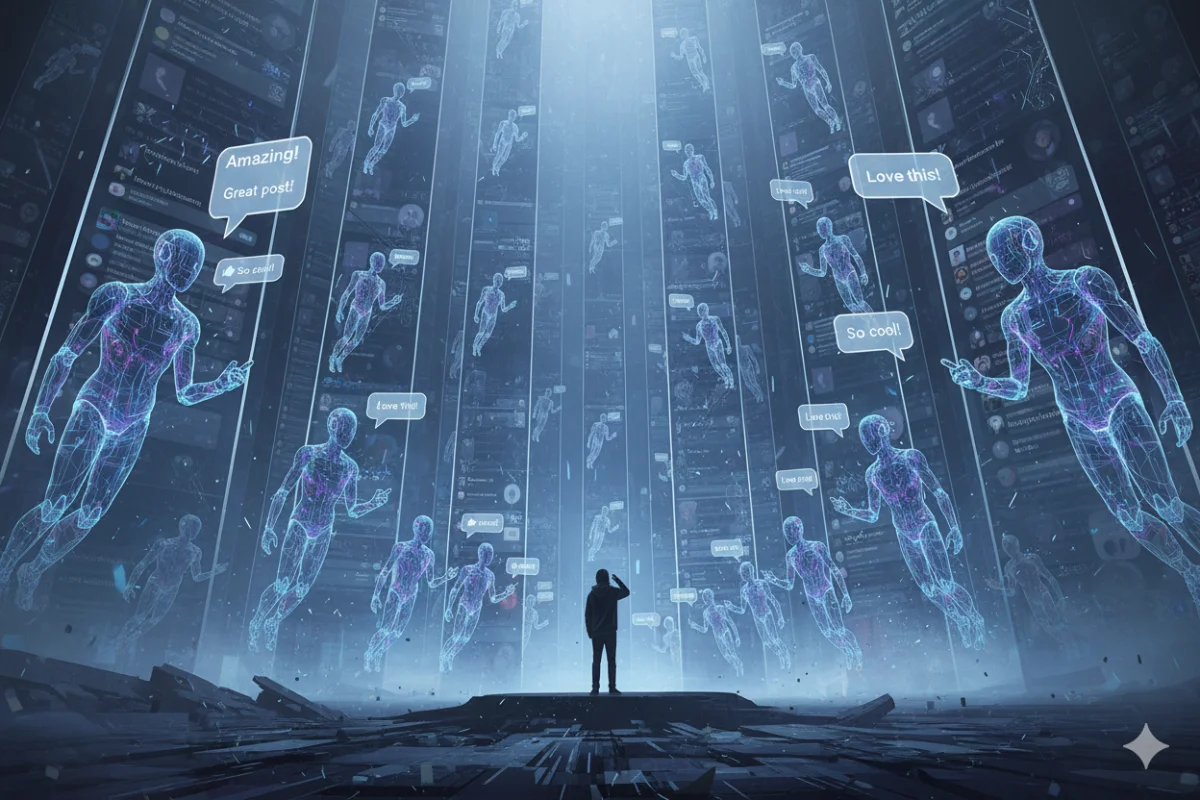
The “Dead Internet” Theory in Real Life
While scrolling through social media, you’ve probably seen posts with thousands of likes and comments—but the comments themselves feel strangely repetitive: “Great post!”, “Amazing!”, “Very useful!”
In 2025, bots are no longer limited to political trolling. They are everywhere. AI creates content, AI comments on that content, and AI algorithms interpret this activity as popularity. Meanwhile, real users watch this digital carnival from the sidelines.
Sometimes it’s hard to tell who you’re arguing with in the comments—a frustrated neighbor or a well-written script. The result is an internet that feels louder, but far less human.
A Creative Explosion (and a Digital Junkyard)
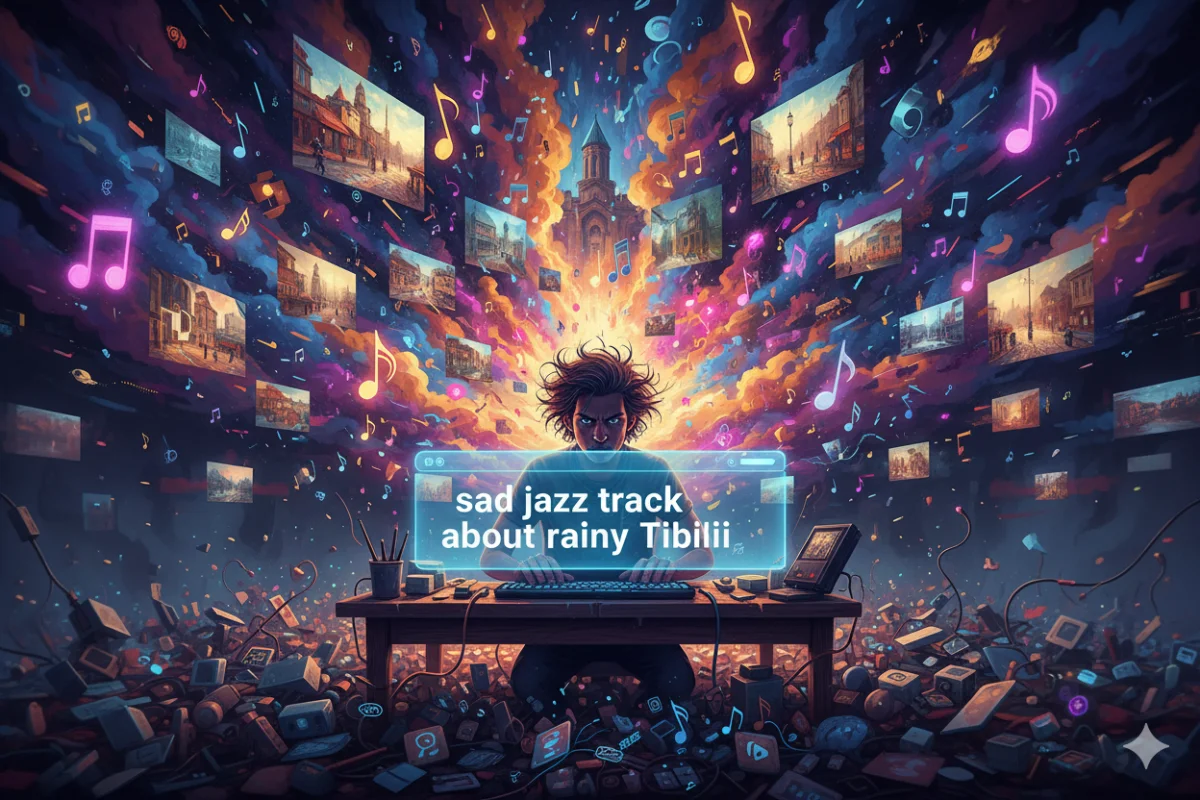
Not long ago, creating music required learning an instrument. Today, all it takes is a prompt: Create a sad jazz track about rainy Tbilisi, and platforms like Suno deliver a finished song in under a minute.
The internet is now overflowing with AI-generated music, videos, and art. This is empowering for people with ideas but limited technical skills. However, there’s another side to the story: the web is flooded with low-quality, disposable content. Finding genuinely thoughtful, human creativity has become like searching for a needle in a haystack.
Conclusion: Where Do We Stand?
The internet of 2025 is neither a digital paradise nor a dystopian Matrix apocalypse. It’s simply… convenient, but slightly plastic.
AI has removed much of the routine from our lives. We no longer write tedious emails, spend hours searching for information, or struggle to create visually appealing content. But in this comfort, it’s crucial not to lose what made the internet interesting in the first place: human imperfections, strange humor, and real emotions.
In the end, technology is just a tool. What truly matters is that we, as users, remember there’s real life beyond the screen—a place where photos may not be perfect, but they’re real.
Go backComments (0)
From This Author
Select Crypto to Support the Author 💫
×TXintEE7aezp6QxNNtbghCXvmXJdgofEyr
0x9c6299454A6B617A0Db228024279F2a3EEf956dD
bc1qj7caz3xfh5qd4ud3v3nh7k4tfl5lg8jh9er73e
0x9c6299454A6B617A0Db228024279F2a3EEf956dD
3TndfWAhPytTaBZjC2GbNWqh9iWx171SYACjbG2j5vx8
DHsrtwiL56Xk1xAj3fe8pVcfLhE8xgt3EQ
0x9c6299454A6B617A0Db228024279F2a3EEf956dD
UQDFkubJxb8KmxFmy1arJxkewzmNEg6-G2pJFVzFihB65d7W
ltc1q3fentl6ur9cxm0vxyqkdmmzxkj92j00p9l8m7z
✍ Article Author
- Registration: 26 July 2025, 19:34
- Location: Georgia