


Artificial Intelligence in Medicine: How AI Is Transforming Diagnosis and Treatment
 Tornike Moss
Updated • 18-03-2026, 10:32
Artificial intelligence is rapidly emerging as one of the most influential technological instruments in modern medicine, driving large-scale digital transformation across healthcare systems. Through structured analysis of massive medical data volumes, automated image recognition enabled by Computer Vision, and the integration of sophisticated predictive models, intelligent systems help physicians achieve unprecedented levels of diagnostic precision and analytical speed. Importantly, these machine learning algorithms are not designed to replace the professional judgment of clinicians. Instead, they form a powerful new digital infrastructure that is critically important for optimizing modern medical research.
This technological ecosystem reduces the time required to process complex information, increases the efficiency of diagnostic workflows, and establishes the technological foundation for the development of personalized medicine. Cloud computing platforms and neural networks are already forming the large-scale data environments necessary for analyzing complex biological processes. For this reason, understanding how this technological transformation spreads across different sectors—and where artificial intelligence is used in other industries of the modern economy—requires recognizing the data infrastructure that now drives scientific and technological progress.
Quick Summary
Key takeaways: The main ideas and conclusions of the article are summarized below.
- Artificial intelligence is rapidly becoming one of the most important technological tools in modern medicine, enabling faster analysis of medical data and improving diagnostic accuracy.
- Computer Vision and deep learning models allow AI systems to automatically analyze medical imaging such as MRI, CT scans, and X-ray studies to detect subtle pathological patterns.
- Clinical Decision Support Systems (CDSS) combine patient records, scientific research, and historical clinical data to assist physicians in evaluating complex medical cases.
- Artificial intelligence processes massive healthcare datasets—including electronic health records, genomic information, and sensor data—to uncover hidden correlations and patterns.
- Predictive healthcare analytics enables early identification of disease risks and supports more effective planning of public health resources.
- In pharmaceutical research, AI accelerates drug discovery by analyzing millions of chemical compounds and identifying the most promising therapeutic candidates.
- Molecular modeling technologies allow researchers to simulate interactions between drugs and biological proteins in virtual environments before laboratory testing.
- Modern hospitals increasingly function as data-driven infrastructures where AI integrates with clinical platforms, diagnostic equipment, and research systems.
- The future of medicine relies on human–AI collaboration, where algorithms provide analytical support while physicians retain full clinical decision authority.
- Overall, artificial intelligence is creating a data-driven digital healthcare ecosystem that connects research, diagnostics, and treatment through advanced computational infrastructure.
Table of Contents
Artificial Intelligence in Diagnostics: Data Analysis and Image Recognition
Modern medical diagnostics is undergoing a profound transformation as artificial intelligence algorithms become integrated into clinical workflows. This shift is driven by the capacity of computational systems to process and analyze vast volumes of unstructured medical data in real time—far beyond the cognitive limits of human practitioners. The rapid evolution of digital infrastructure has enabled the development of machine learning models capable of interpreting empirical data and complex visual patterns within seconds. Unlike traditional analytical approaches, intelligent diagnostic platforms rely on Deep Learning architectures to deliver high analytical precision while minimizing processing time. A central component of this technological ecosystem is Big Data analytics, which integrates electronic patient records, genomic information, and laboratory results into unified analytical frameworks. This complex approach creates a powerful synergy between data science and clinical research. Technology, therefore, does not replace the intuition and expertise of clinicians; rather, it enhances them by providing precise evidence grounded in quantitative analysis. As data repositories expand and algorithms continue to improve, computational systems are gradually evolving into the central analytical core of the diagnostic process.
Medical Image Analysis
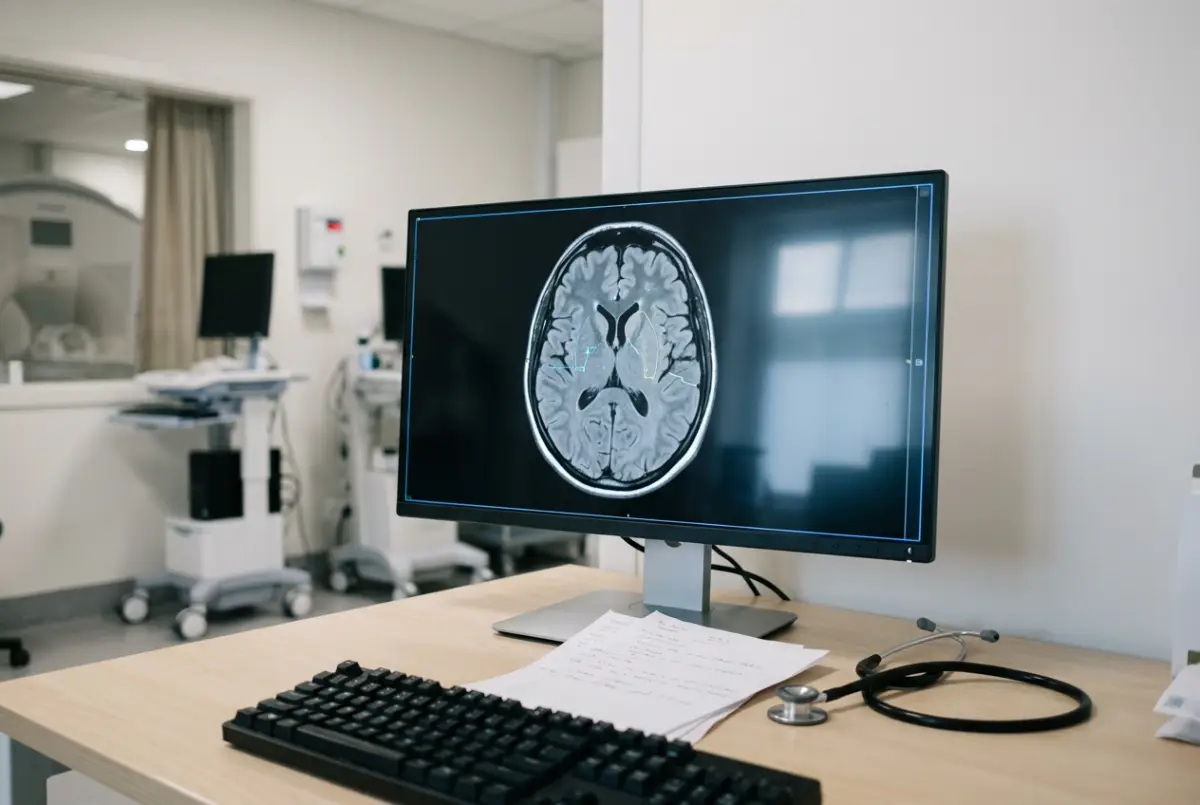
The evolution of Computer Vision and convolutional neural networks (CNNs) has elevated medical image analysis to an entirely new technological level. Radiological examinations such as magnetic resonance imaging (MRI), computed tomography (CT), and conventional X-ray imaging generate data arrays consisting of millions of pixels. Detecting microscopic anomalies that remain difficult for the human eye to perceive often requires extensive time and specialized expertise. This is where artificial intelligence infrastructure becomes indispensable. AI models trained on terabytes of annotated clinical datasets systematically scan each image layer by layer, searching for the subtle signatures of pathological change—whether micro-fractures in tissue structures or abnormal vascular patterns.
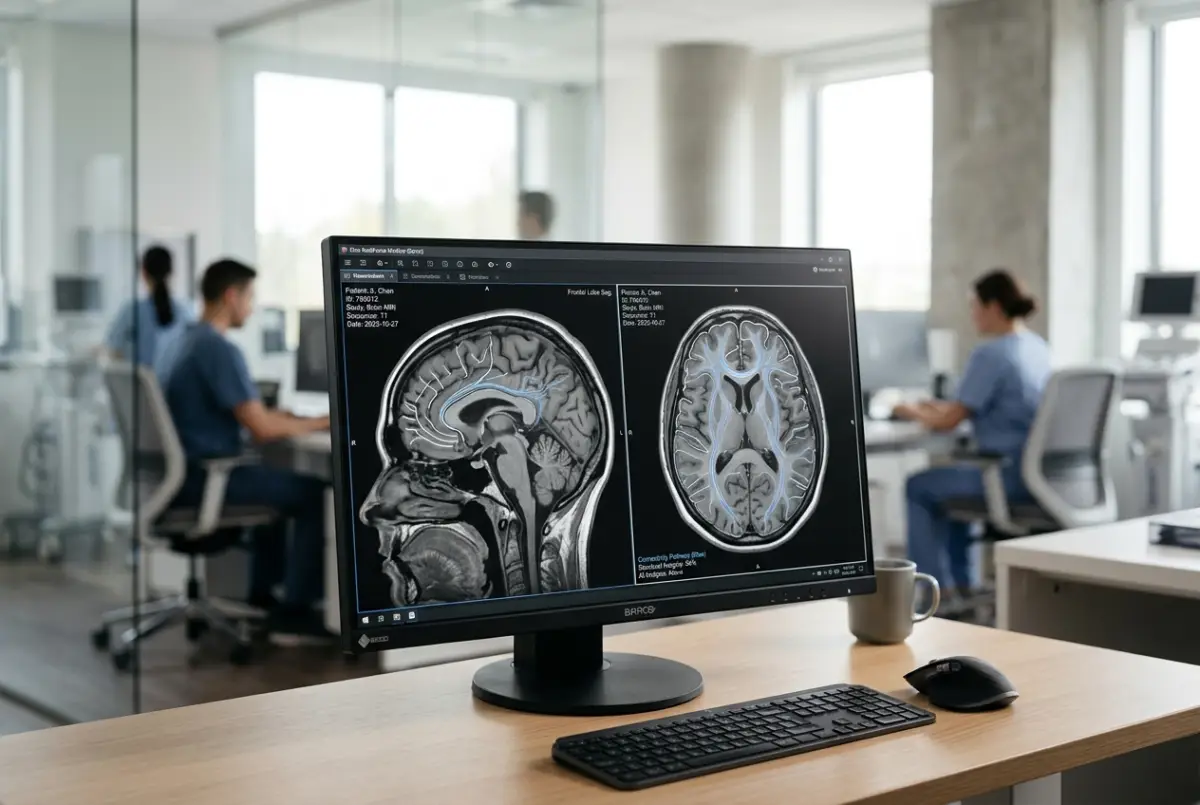
The multi-layer architecture of neural networks enables models not only to detect potential pathology but also to classify it and precisely segment it within spatial coordinates. This analytical process is completed in fractions of a second, allowing radiologists to focus on complex or ambiguous cases instead of spending valuable time on routine screening tasks. In this context, AI systems function as a technological “second set of eyes” for physicians, reducing the risk of fatigue-related diagnostic errors while improving the overall reliability of medical imaging studies. At the same time, the expansion of cloud computing infrastructure allows clinics to connect in real time with centralized computational servers. This creates decentralized analytical networks in which even peripheral laboratories can benefit from the latest algorithmic advancements, contributing to the global standardization of medical data analysis.
Clinical Decision Support
Clinical Decision Support Systems (CDSS) represent another critical technological layer connecting data science with practical medicine. These platforms operate as sophisticated analytical engines that aggregate diverse categories of patient information—from historical electronic records to genetic profiles and pharmacological responses. Artificial intelligence algorithms within these systems employ Natural Language Processing (NLP) technologies to interpret and structure physicians’ textual notes, subsequently linking them with global scientific databases.
The primary value of this infrastructure lies in its predictive and integrative capabilities. When clinicians evaluate a specific case, the CDSS platform simultaneously analyzes thousands of comparable clinical precedents and the latest scientific publications. As a result, the system generates structured analytical reports and data-driven alternative scenarios. From a technological perspective, modern support platforms are integrated with hospital information systems (HIS) through secure APIs, ensuring continuous data exchange. By combining graph theory with machine learning, these systems can identify hidden correlations between diverse biomarkers—relationships that would remain invisible through traditional statistical methods. With each new dataset processed, the system undergoes continuous learning, gradually increasing its analytical accuracy and providing physicians with a powerful tool for navigating complex information flows.
How AI Processes Medical Data
Within the modern healthcare ecosystem, petabytes of unstructured information are generated every day—volumes that far exceed the capacity of traditional analytical methods and human resources. Artificial intelligence and Big Data analytics have therefore emerged as the critical digital infrastructure establishing new standards for medical data management. Using high-performance computational architectures and cloud technologies, AI systems enable real-time analysis and synthesis of massive information streams. The primary technological advantage of these algorithms lies in their ability to detect complex multidimensional relationships and hidden patterns that remain invisible to conventional statistical analysis. This innovative approach allows clinicians and researchers to move beyond fragmented data interpretation toward holistic analytical models. Machine learning models thus function as powerful catalysts for data analysis, simplifying the administration of complex research processes while establishing a robust technological foundation for evidence-based medical science.
Analysis of Electronic Medical Records
Electronic Health Records (EHR) represent a fundamental component of modern clinical infrastructure, yet their structural complexity often limits effective data utilization. Artificial intelligence—particularly advanced Natural Language Processing algorithms—has transformed this domain. Technological systems automatically scan, categorize, and analyze decades of accumulated textual information, including physician notes, laboratory reports, and discharge summaries. This process extends far beyond simple digitization. Deep learning neural networks perform semantic analysis and construct interconnected data graphs. Through this infrastructure, researchers can identify statistically reliable correlations between specific diseases, genetic markers, and therapeutic outcomes. For instance, when the system processes tens of thousands of anonymized patient histories, it can reveal how clinical patterns evolve across different demographic groups.
Additionally, modern EHR platforms are integrated with cloud-based servers, enabling global interoperability of medical data. This means that information exchange between clinics and research institutions can occur through standardized protocols. Artificial intelligence filters informational noise within these continuous data streams, extracting only clinically relevant signals. In this context, technology functions as an intelligent information layer that provides healthcare professionals with structured historical context in real time. As a result, electronic record systems evolve from passive data repositories into active research instruments that accelerate epidemiological investigation.
Predictive Healthcare Analytics
Predictive healthcare analytics represents one of the most promising applications of artificial intelligence, focusing on mathematical modeling of future medical trends. Machine learning algorithms analyze both historical and real-time data streams to generate high-precision predictive models. These systems do not simply document past events; they extrapolate risk factors and estimate the probability of disease development across different population groups. Technologically, these models rely on complex statistical algorithms and neural networks capable of simultaneously evaluating thousands of variables—from sensor data capturing patient vital signs through IoT devices to genomic sequencing results. When the system detects subtle deviations from normal physiological patterns, it automatically generates early warning signals.
Beyond clinical research, predictive analytics infrastructure is invaluable for managing public health systems. Algorithms can simulate the spread of diseases across time and geographic space, enabling healthcare organizations to allocate resources more efficiently. Continuous retraining of models using new incoming data ensures that predictive accuracy steadily improves. Ultimately, predictive AI functions as a powerful navigational instrument for medical professionals working within complex informational environments. It maximizes technological support for decision-making processes while providing physicians and scientists with data-driven insights—without directly intervening in treatment decisions.
Artificial Intelligence in Drug Research and Development
The discovery and development of new pharmaceutical compounds has traditionally been a decades-long, multi-billion-dollar process characterized by high failure rates. The integration of artificial intelligence into pharmaceutical research has fundamentally altered this paradigm. AI technologies—particularly advanced machine learning architectures—significantly accelerate drug discovery by enabling large-scale automated analysis of complex biological and chemical data. Modern computational systems provide scientists with unprecedented capabilities to process petabytes of genomic and proteomic data within fractional timeframes. In this environment, traditional laboratory experimentation merges with High-Performance Computing clusters. Artificial intelligence not only analyzes existing biological libraries but also generates entirely new hypotheses at the molecular level. This digital infrastructure functions as a powerful catalyst for scientific discovery, allowing algorithms to filter the most promising chemical compounds from vast datasets. As a result, pharmacology is increasingly evolving into a data-driven scientific discipline where algorithmic precision and computational power shape the pace of innovation.
Drug Discovery Algorithms
One of the most complex challenges facing the pharmaceutical industry is identifying compounds with therapeutic potential among millions of chemical candidates. Drug discovery algorithms—built on Deep Learning neural networks—play a critical role in addressing this challenge. These systems automatically explore vast regions of chemical space encompassing billions of synthesizable molecular structures. Algorithms evaluate each compound’s structural characteristics, physicochemical properties, and potential toxicity profiles (ADMET). Screening datasets of this magnitude would require years using traditional methods, yet AI models can complete similar analyses in weeks or even days.
Modern generative models extend these capabilities further by creating entirely new molecular structures that do not exist in nature but are optimized for specific biological targets. This process, known as de novo drug design, utilizes graph neural networks (GNNs) and transformer architectures to interpret the “language” of chemistry. Researchers provide the system with desired pharmaceutical parameters, and the algorithm returns lists of candidate molecules with the highest predicted probability of success. Importantly, this infrastructure does not make final decisions; instead, it functions as an analytical filter that protects scientists from investing resources in unpromising experiments. Using high-performance computational systems, algorithms can also estimate the practical feasibility of chemical synthesis, making the transition from digital simulation to laboratory experimentation far more realistic. Ultimately, these technologies create powerful data-driven pipelines that accelerate the discovery of innovative therapeutic compounds.
Molecular Data Modeling
The effectiveness of a pharmaceutical compound depends directly on how its active ingredients interact with target proteins in the human body. Molecular data modeling represents a critical field within computational biology where artificial intelligence plays a transformative role. AI models employ advanced machine learning architectures to predict three-dimensional protein structures based solely on amino acid sequences. This technological breakthrough allows scientists to observe and analyze biological mechanisms underlying various diseases with unprecedented precision.
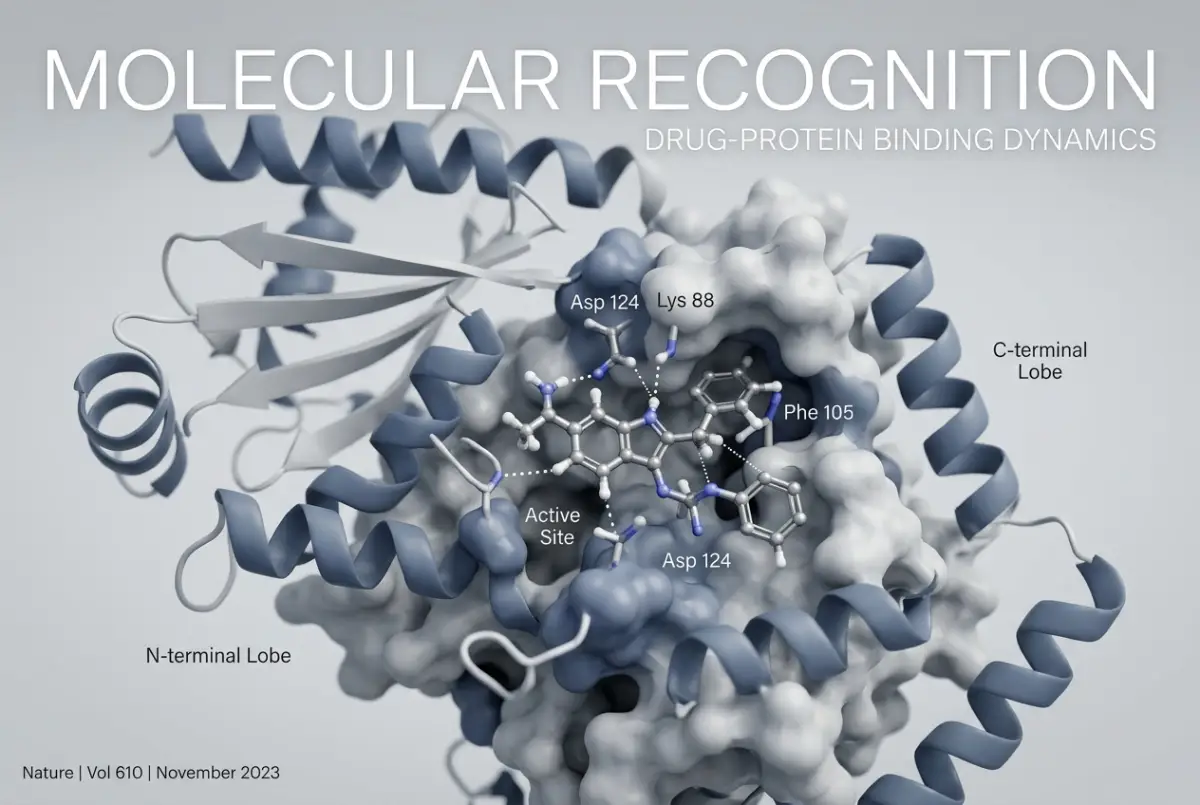
Molecular modeling infrastructure relies on powerful computational simulations in which millions of potential interactions between drug candidates and target receptors are tested in virtual environments (in silico). Physics-informed neural networks analyze atomic forces, thermodynamic stability, and kinetic dynamics associated with molecular docking. These simulation systems process enormous quantum-chemical datasets to accurately predict the strength and stability of molecular interactions and determine whether they will produce the desired biological response. The dynamic models generated by artificial intelligence dramatically reduce the need for “blind” experimentation. Researchers can virtually modify individual atoms within a molecule and observe how these changes alter behavior within the simulated environment. In this way, AI functions as an advanced scientific instrument that provides computational biology laboratories with detailed data-driven maps for navigating complex biological systems.
AI and the Infrastructure of Future Digital Medicine
The healthcare ecosystem of the future is undergoing a profound transformation as traditional medical institutions evolve into complex, interconnected digital networks. At the center of this paradigm stands artificial intelligence, which no longer functions merely as an isolated analytical tool but is becoming deeply embedded within the foundational architecture of clinical data platforms. The infrastructure of future digital medicine requires continuous interoperability between diverse information systems to support the generation, secure storage, and real-time processing of large volumes of multimodal data. Through the synergy of cloud computing technologies and local server infrastructures, AI algorithms create dynamic environments in which each new clinical case instantly enriches the collective analytical database. This technological evolution enables healthcare institutions to shift from outdated reactive models toward proactive, data-driven management systems. As a result, a unified digital backbone emerges that seamlessly connects advanced diagnostic equipment, electronic patient records, and research laboratories—transforming the modern hospital into a high-technology intelligent information center.
Hospital Data Systems
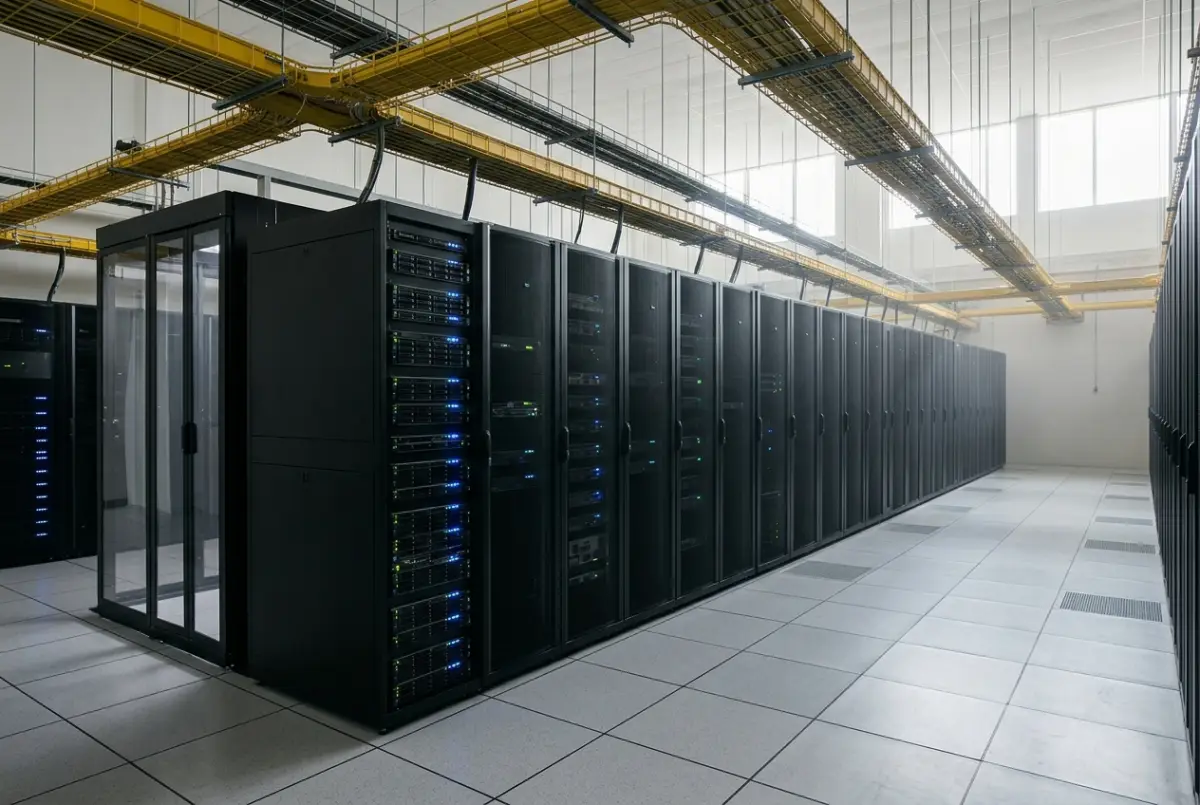
Modern hospitals increasingly resemble complex data processing centers where the efficient management of information flows is critically important.
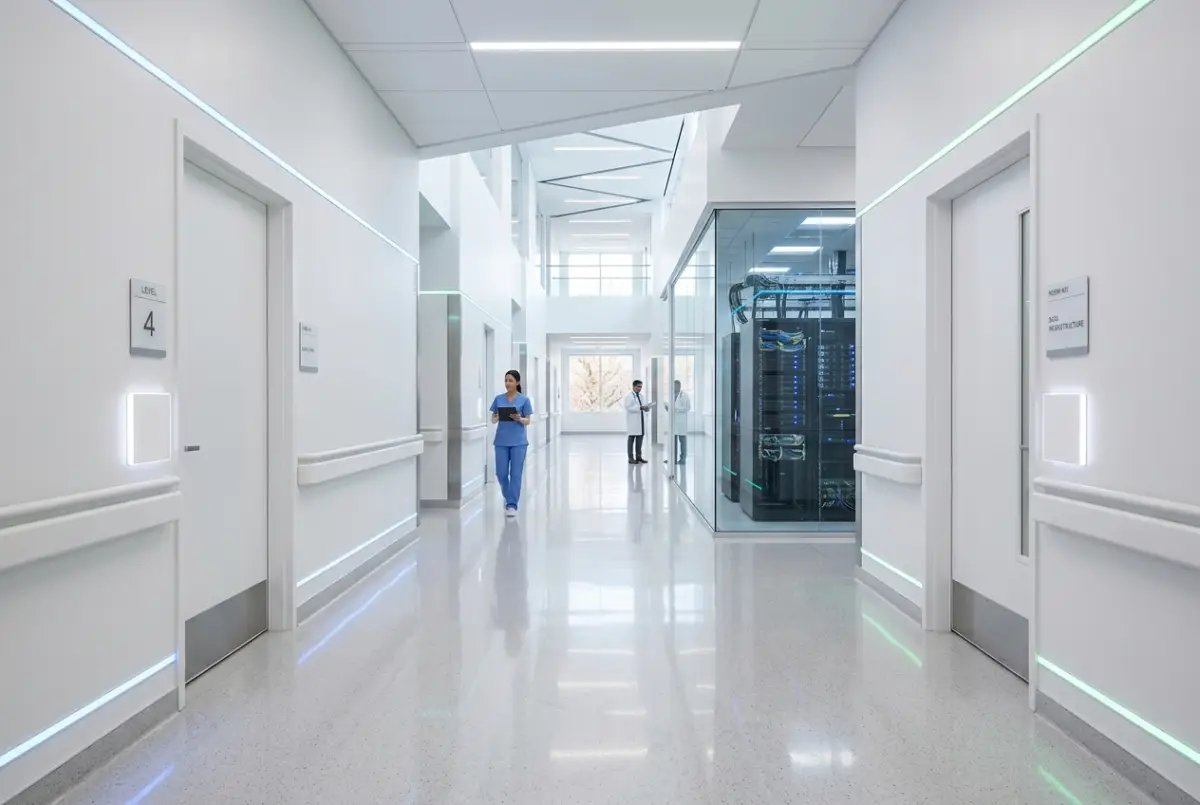
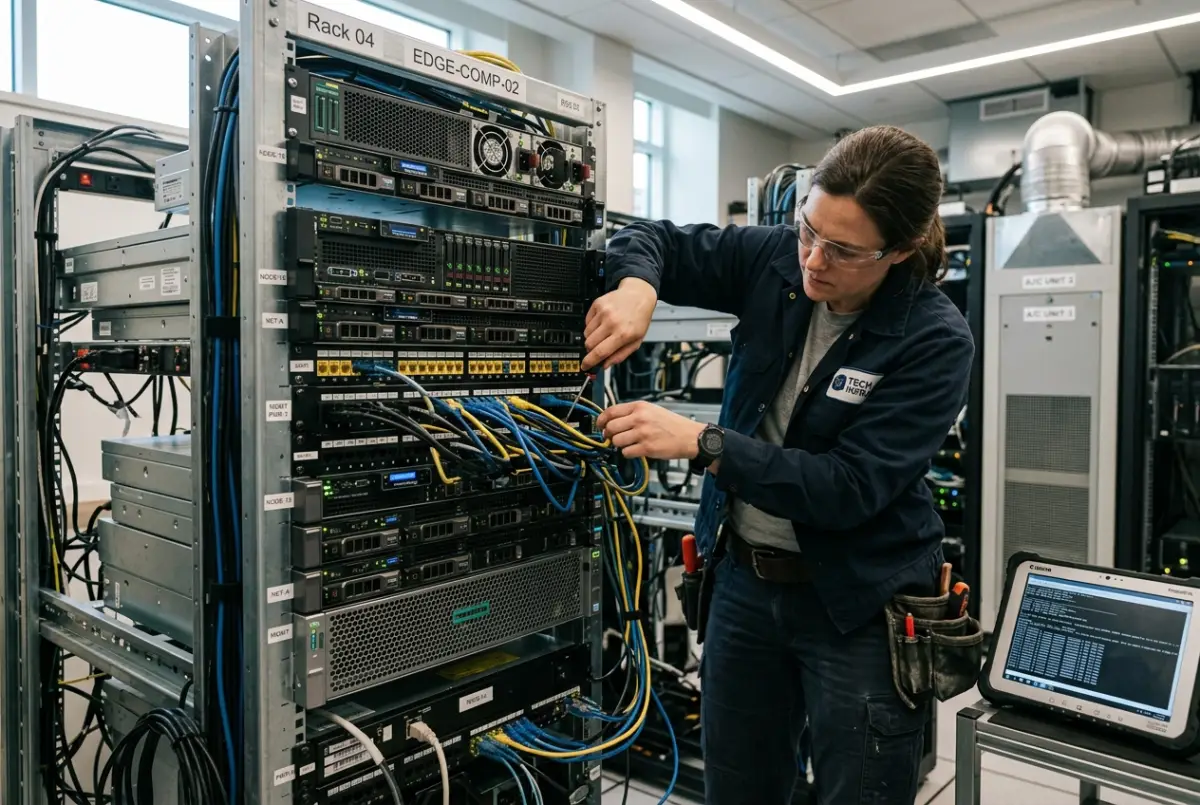
Hospital Information Systems (HIS) are now equipped with specialized artificial intelligence modules that synchronize clinical, administrative, and laboratory data in real time. These platforms rely extensively on machine learning algorithms to perform semantic categorization of unstructured information—from physicians’ textual notes to continuous telemetry signals generated by IoT medical devices and complex genomic sequences. From a technological perspective, these systems are built upon distributed databases and microservices architectures that ensure high availability, scalability, and cybersecurity. AI-driven analytical engines process incoming data streams in real time while filtering informational noise to deliver only clinically relevant insights to healthcare professionals.
For example, intelligent monitoring systems installed in intensive care units connect directly with centralized servers, where neural networks analyze the dynamic patterns of patient vital signs. Hospital data systems also significantly improve operational management by optimizing internal information flows. Through open Application Programming Interface protocols, diagnostic equipment produced by different manufacturers can operate within a unified ecosystem. This provides researchers and clinicians with comprehensive, holistic views of patient data. Such digital architecture not only accelerates information retrieval but also establishes the computational infrastructure required for large-scale clinical research, as structured and anonymized datasets can be seamlessly delivered to scientific analytical algorithms.
Human–AI Collaboration in Medicine
The fundamental concept of future medicine is based not on replacing human professionals but on fostering close collaboration between physicians and artificial intelligence systems. In this hybrid model, technology functions as a powerful cognitive enhancer that delivers analytical support on an unprecedented scale, while the final clinical and strategic decisions remain firmly in the hands of medical professionals. Computational platforms handle intensive routine analytical tasks—such as scanning thousands of scientific publications, analyzing microscopic radiological images at the pixel level, and comparing complex genetic variations with reference databases. This division of labor frees researchers and clinicians from mechanical information overload and allows them to focus on interpreting complex cases.
Equally important is the growing integration of Explainable AI (XAI) technologies into modern healthcare systems. These algorithms generate transparent mathematical and logical justifications alongside diagnostic analyses. Physicians can therefore understand exactly which biomarkers and patterns influenced a model’s predictions. Moreover, the relationship between clinicians and AI systems is fundamentally bidirectional. When medical professionals validate or adjust algorithmic conclusions, the corrected data is returned to centralized networks through feedback loops, continuously improving model accuracy. This creates a unique informational ecosystem where the immense computational capacity of machine learning is combined with human professional expertise to produce the highest level of analytical insight.
The Future of Medicine in a Data-Driven Digital Ecosystem
Ultimately, the exponential development of artificial intelligence is fundamentally transforming traditional healthcare systems into integrated, data-driven digital ecosystems. This transformation goes far beyond the introduction of isolated software tools or local technological solutions; it represents a global infrastructural shift. In this new environment, high-performance computational analytics, decades of accumulated clinical knowledge, and ongoing scientific research converge within a unified technological network. The breakdown of isolated information silos and the continuous exchange of structured data create conditions in which the pace of research innovation accelerates dramatically. AI platforms function as the critical digital backbone of modern healthcare, instantly connecting fundamental laboratory discoveries with practical medical analytics. The synthesis of powerful neural networks, scalable cloud architectures, and human expertise ensures that the technological medicine of the future will be more precise, analytically rigorous, and scientifically advanced. This innovative ecosystem provides researchers with sophisticated tools for overcoming complex scientific challenges and marks the transition of modern medicine into a new intelligent era.
Go backComments (0)
From This Author
Select Crypto to Support the Author 💫
×TXintEE7aezp6QxNNtbghCXvmXJdgofEyr
0x9c6299454A6B617A0Db228024279F2a3EEf956dD
bc1qj7caz3xfh5qd4ud3v3nh7k4tfl5lg8jh9er73e
0x9c6299454A6B617A0Db228024279F2a3EEf956dD
3TndfWAhPytTaBZjC2GbNWqh9iWx171SYACjbG2j5vx8
DHsrtwiL56Xk1xAj3fe8pVcfLhE8xgt3EQ
0x9c6299454A6B617A0Db228024279F2a3EEf956dD
UQDFkubJxb8KmxFmy1arJxkewzmNEg6-G2pJFVzFihB65d7W
ltc1q3fentl6ur9cxm0vxyqkdmmzxkj92j00p9l8m7z
✍ Article Author
- Registration: 26 July 2025, 19:34
- Location: Georgia